
Color the Legendsof the World
Every myth has its color.
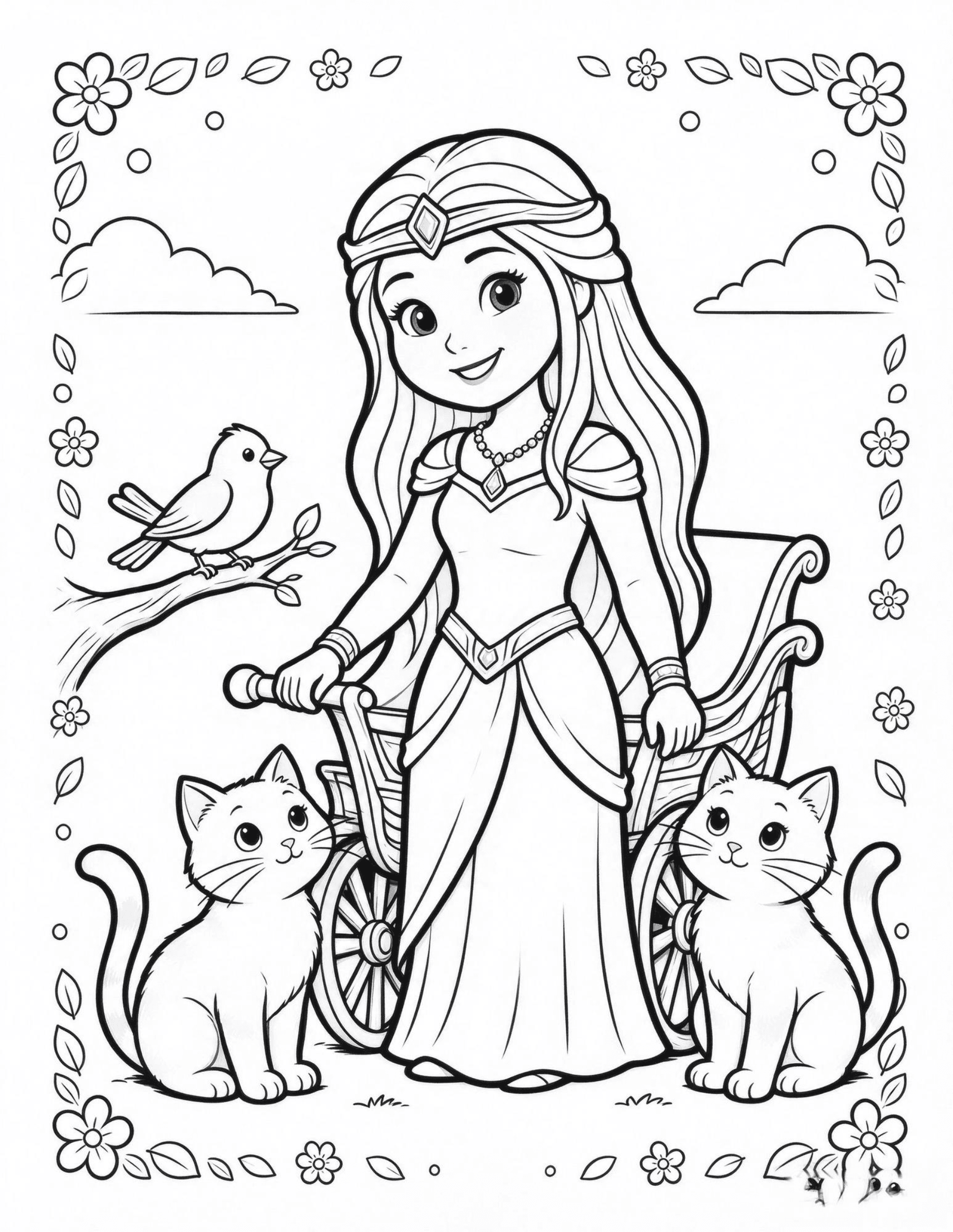
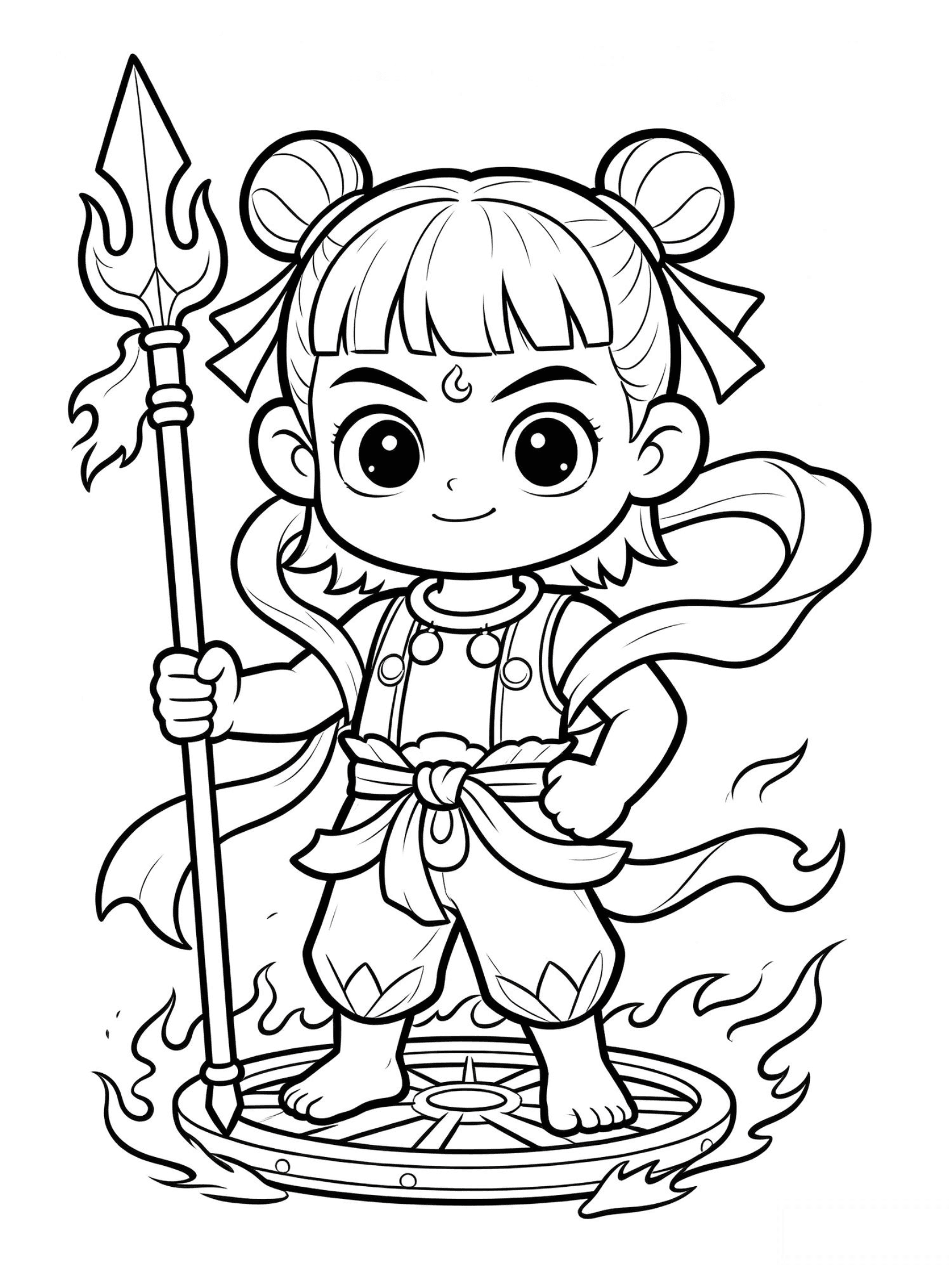
Print, color, and explore timeless myths from every culture — from the Monkey King to Zeus, Thor, and beyond. Made for all ages.
Coloring Pages
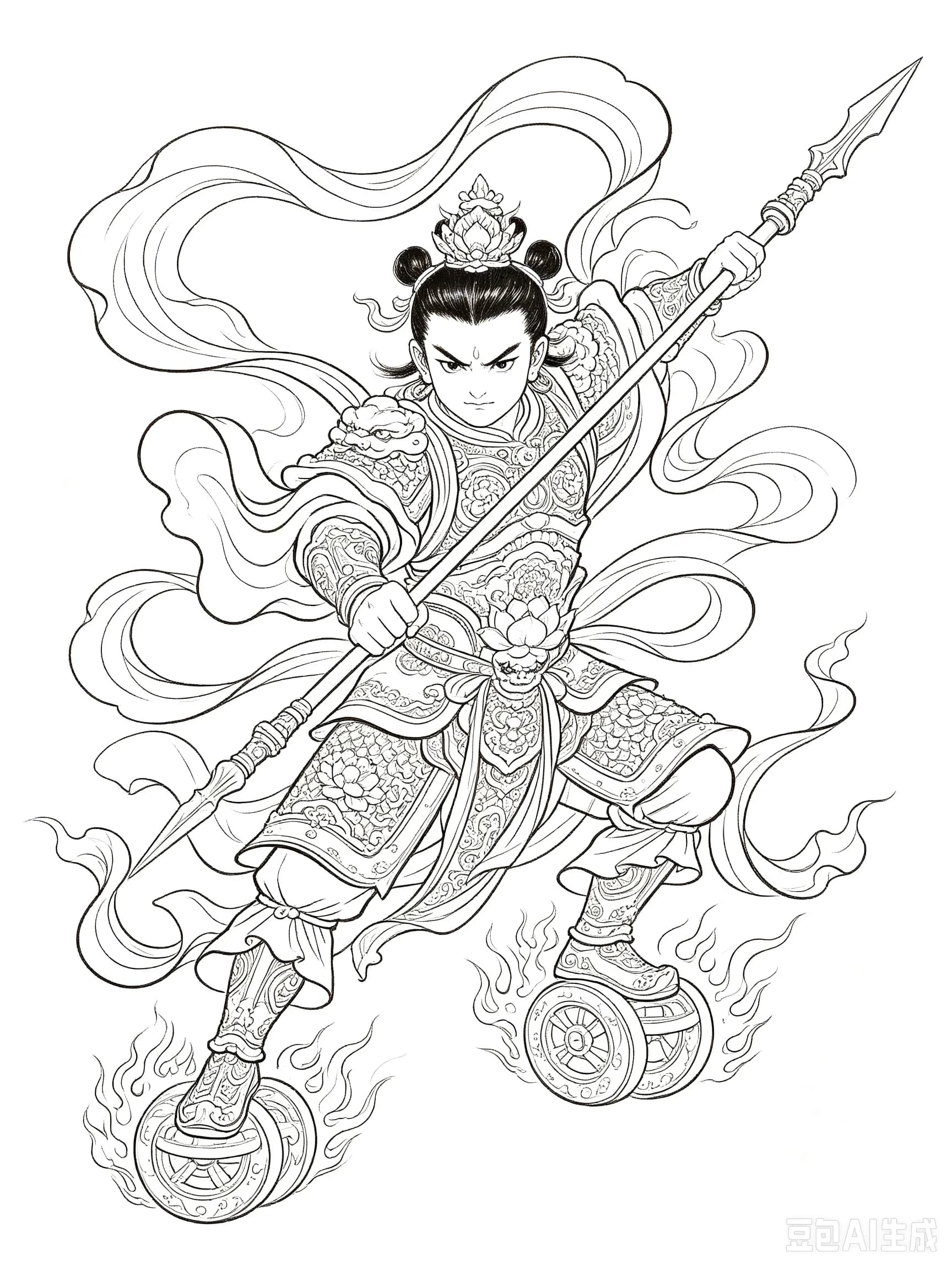
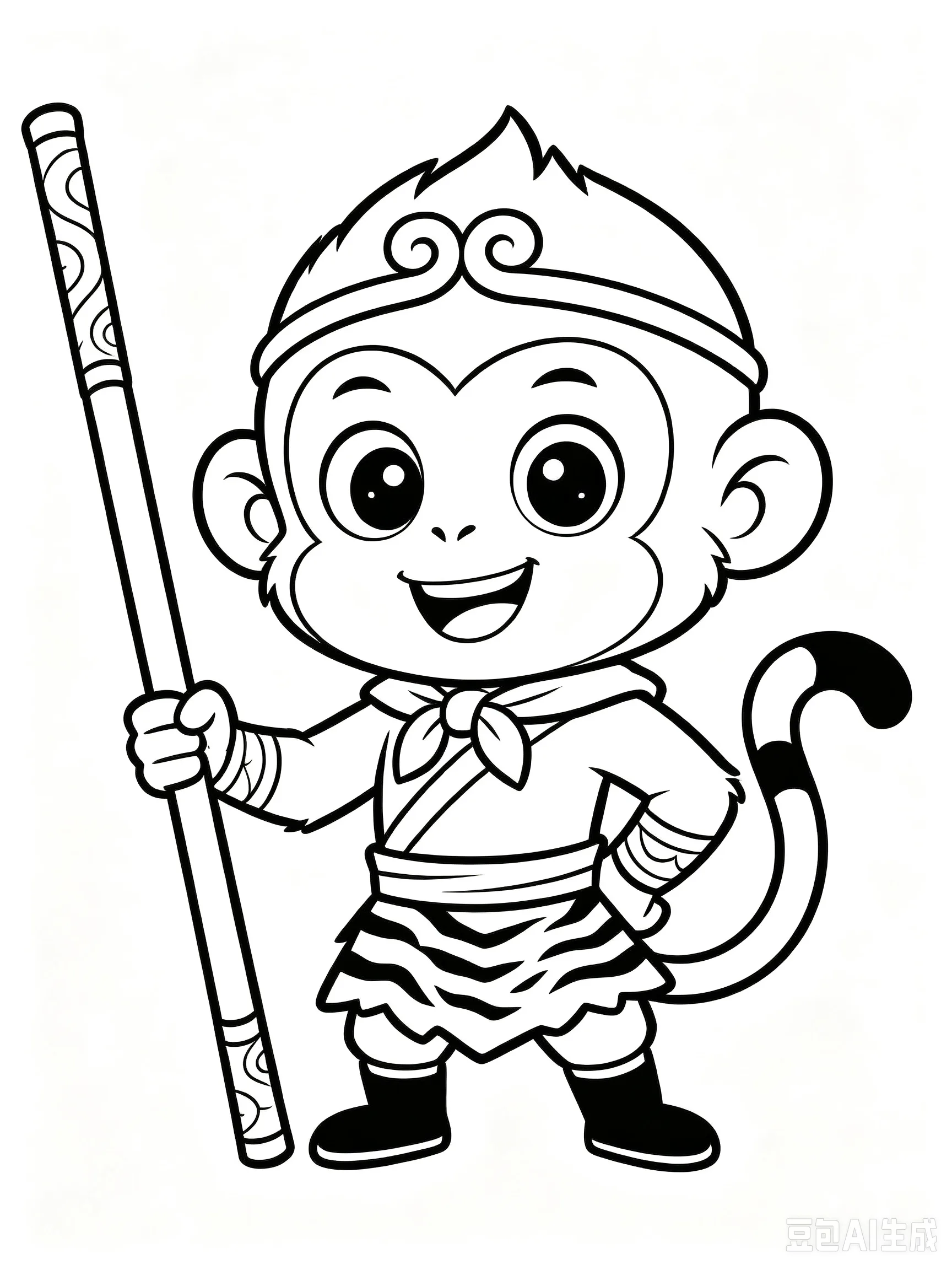
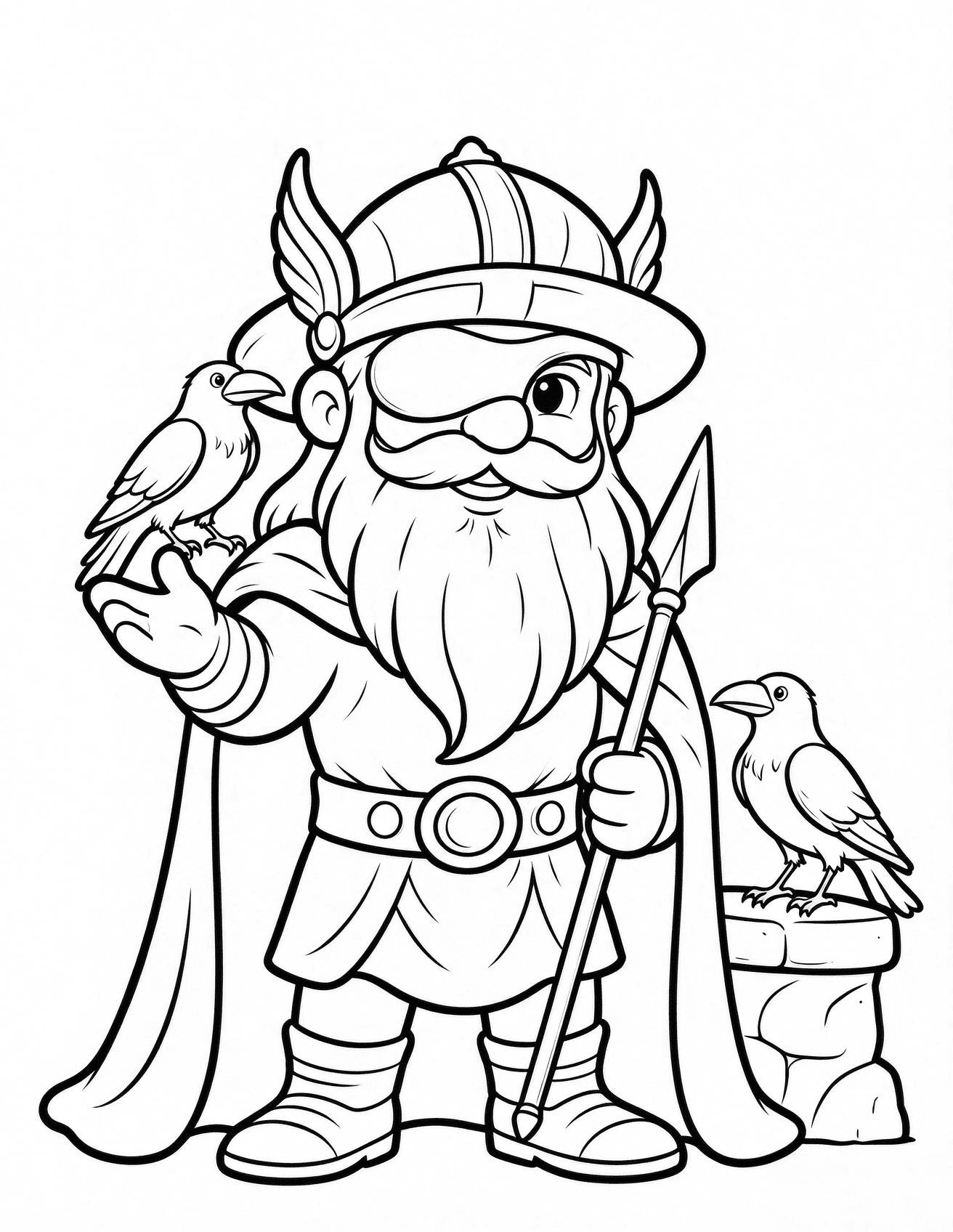
Free printable mythology coloring pages
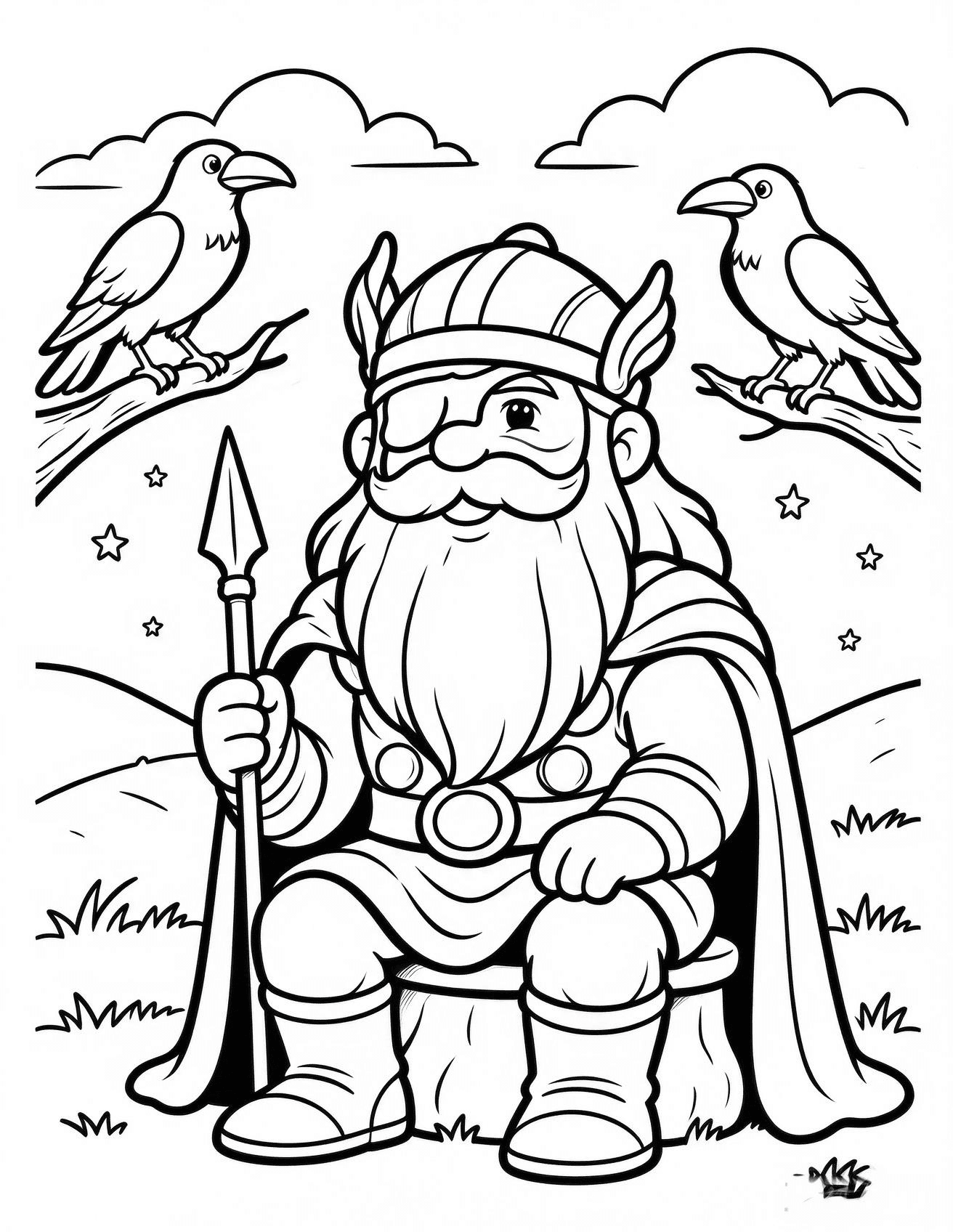
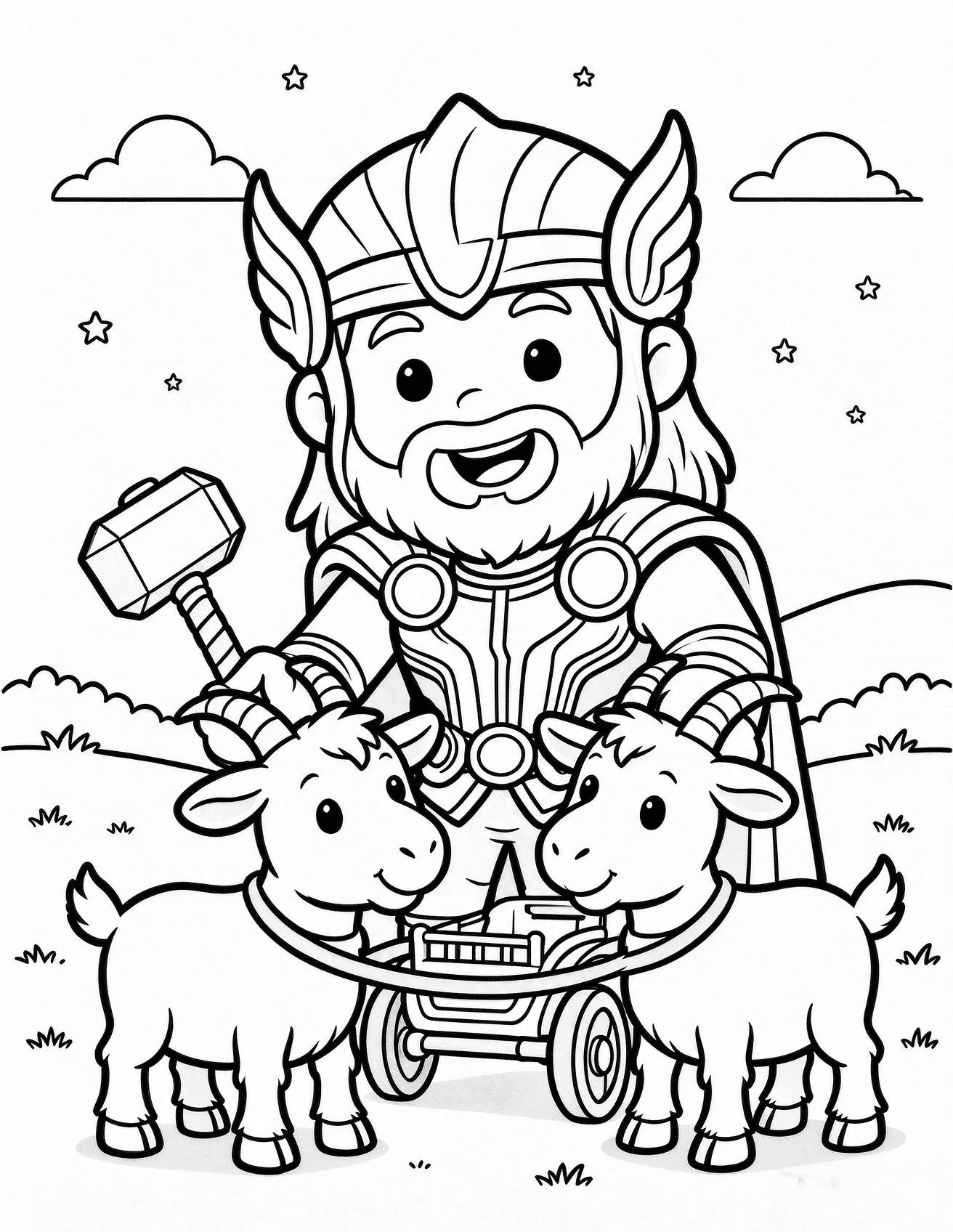
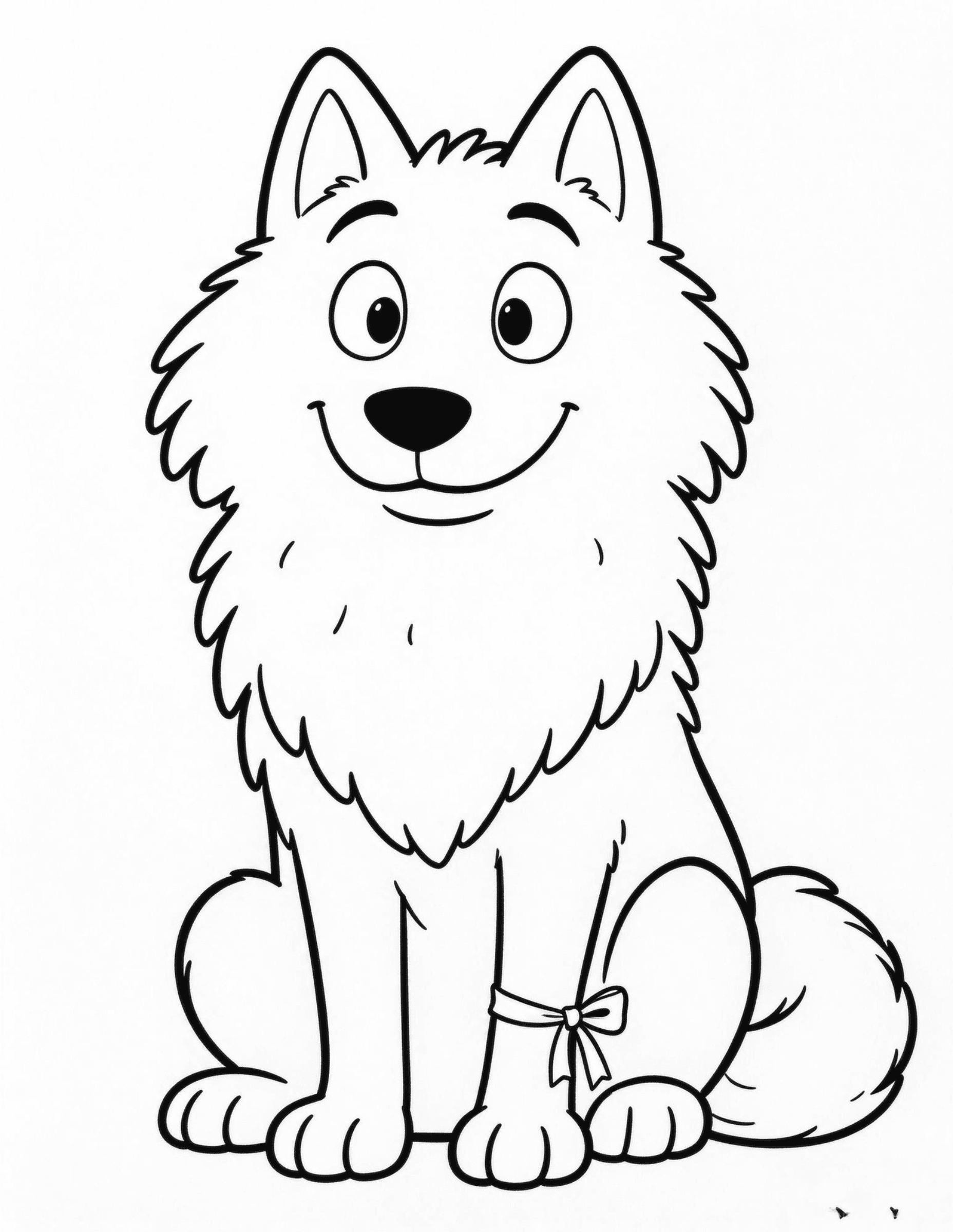
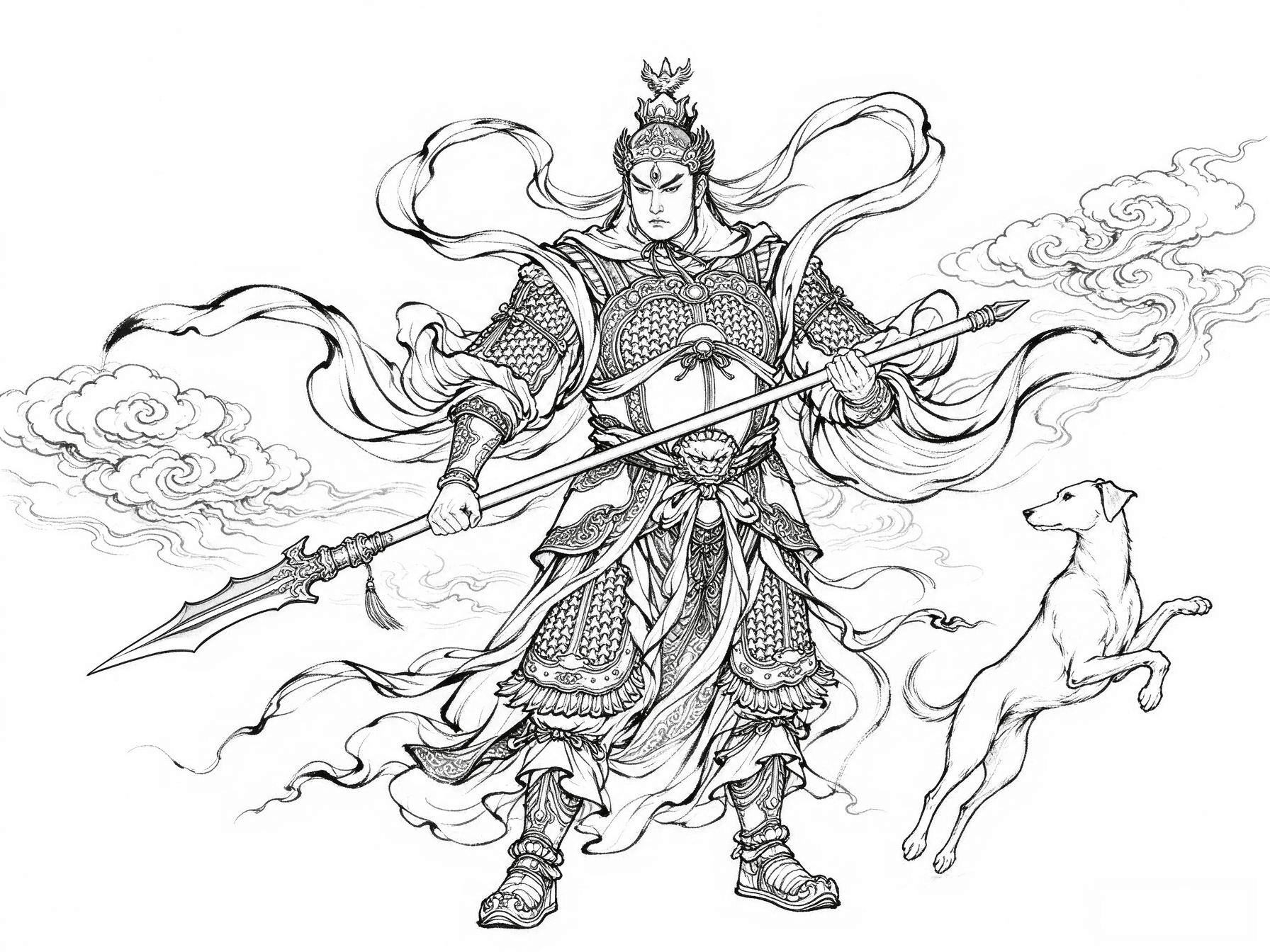
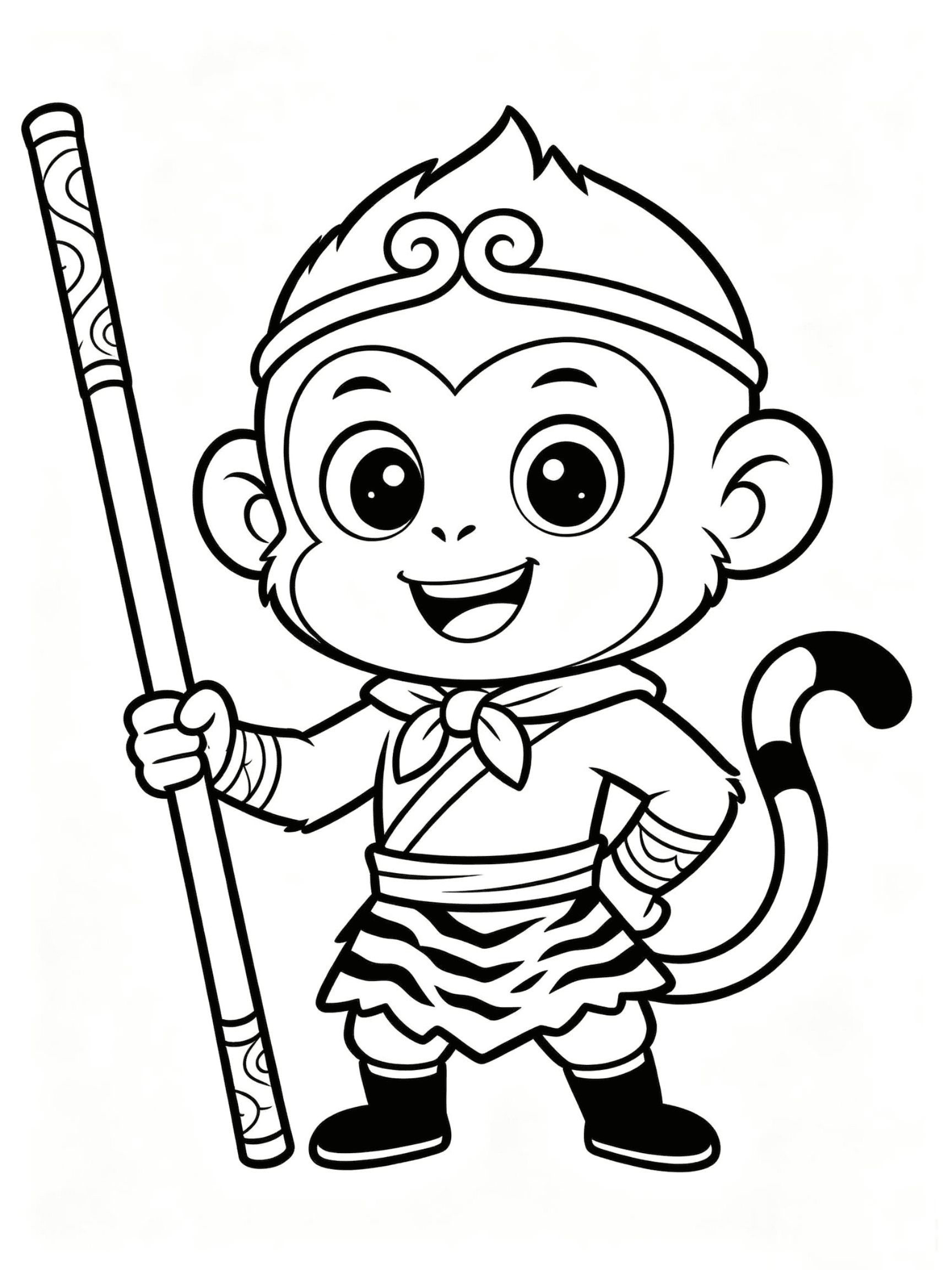
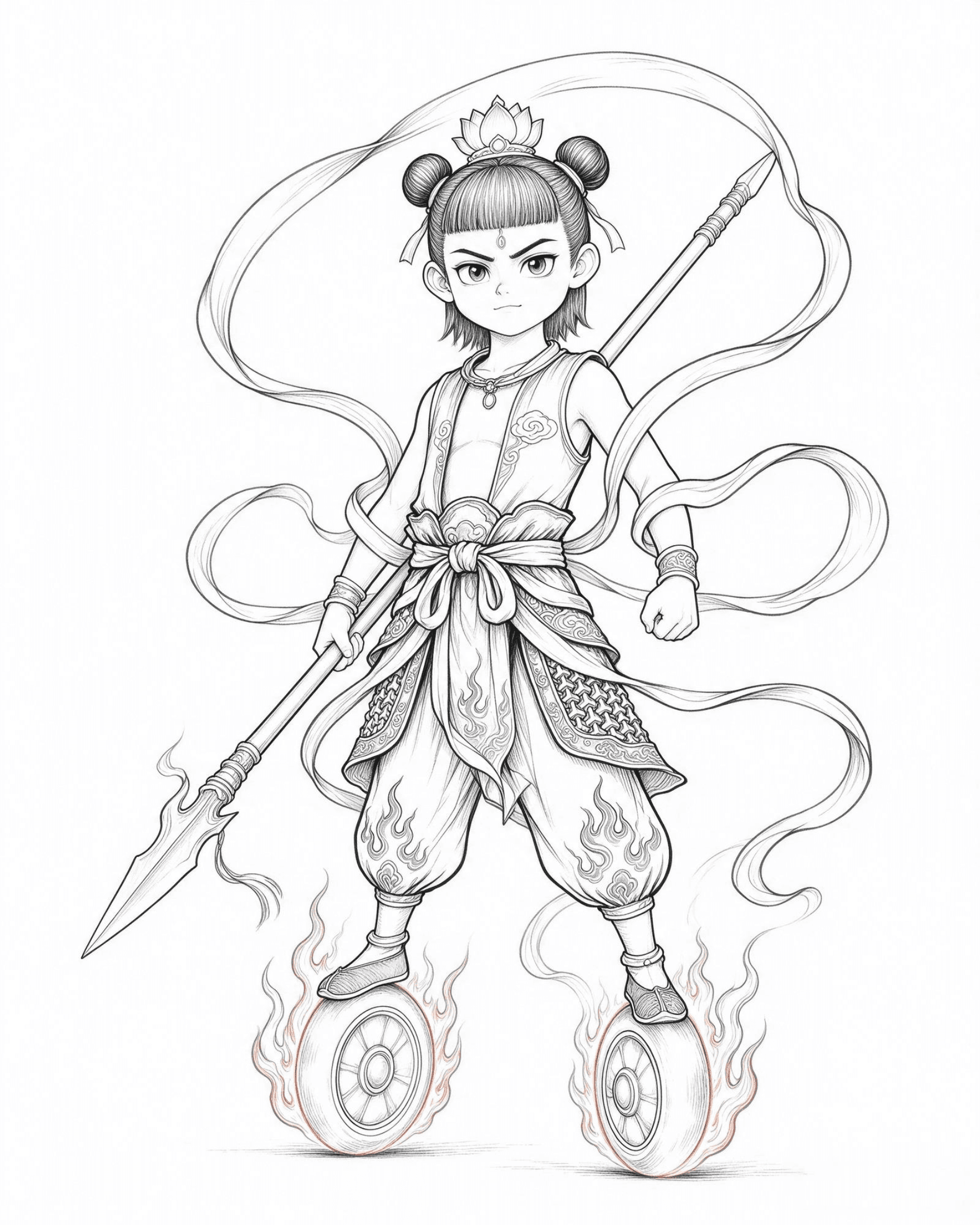
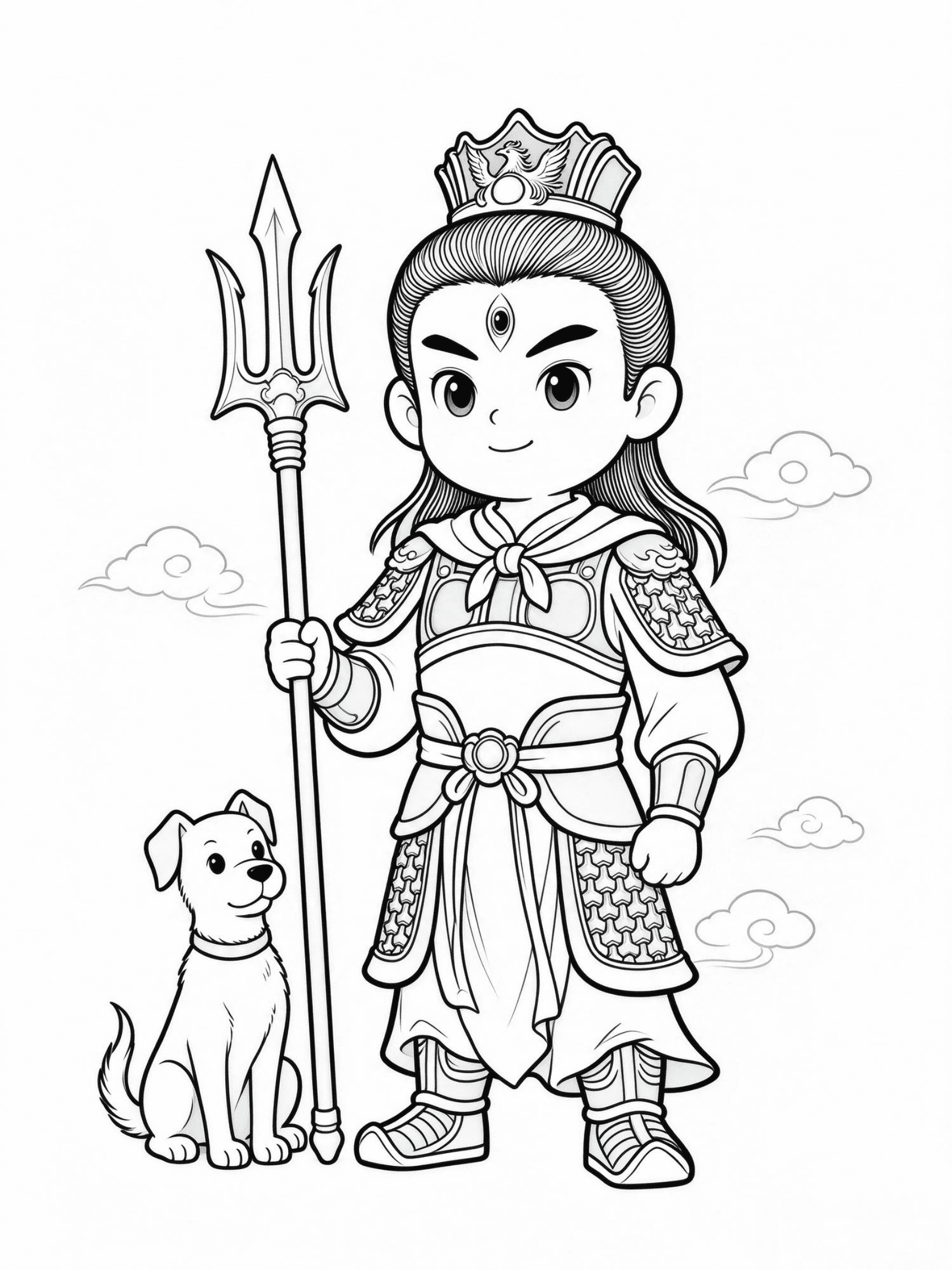
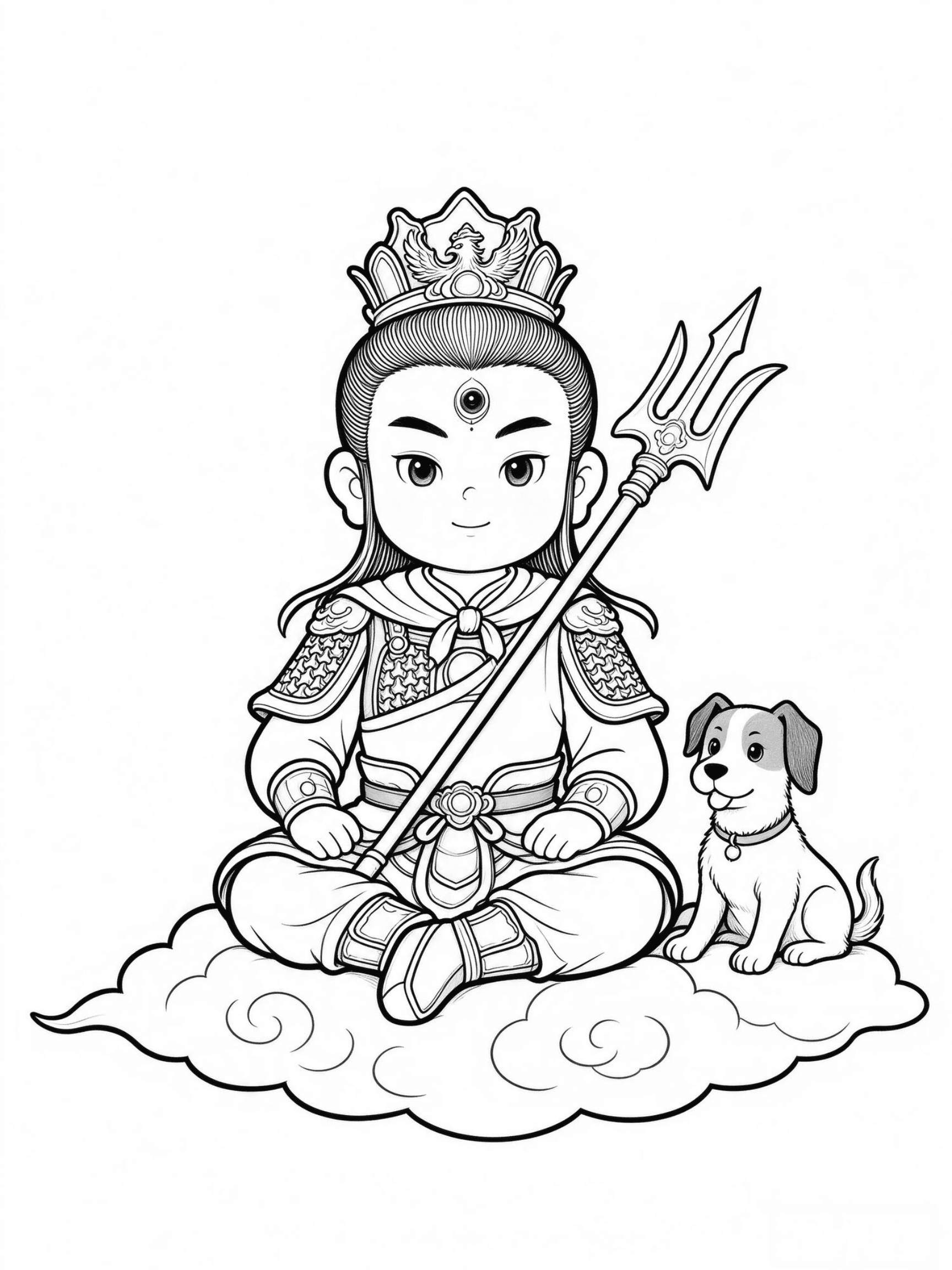
Myth Stories
The legends behind every coloring page
Yu the Great Tames the Flood
大禹治水"Yu the Great Tames the Flood" is China's most deeply rooted epic of flood control. In the age of Yao and Shun, a great deluge covered the land. Yu's father Gun tried to dam the waters and failed, and was executed; Yu inherited the task. Reversing his father's method, he dredged rivers and channeled the floods into the sea, cutting through mountains and opening nine waterways. For thirteen years he passed his own home three times without entering, not even pausing to hear his newborn son cry. With the waters tamed, he divided the land into nine provinces and cast nine bronze tripods, winning the people's love and founding the Xia dynasty. His story is an enduring monument to selfless dedication and unyielding perseverance.
Read storyThe Classic of Mountains and Seas
山海经## What Is the *Classic of Mountains and Seas*? The *Classic of Mountains and Seas* (山海经, *Shanhaijing*) is one of the oldest and strangest books in Chinese history. Written over 2,000 years ago — with parts dating back to the Warring States period and the Han Dynasty — it is not a single story with a beginning, middle, and end. Instead, it is a massive collection of ancient geography, mythology, folklore, and natural history, describing lands both real and imagined, and the incredible creatures that live there. Think of it as an ancient encyclopedia of the impossible. It lists mountains, rivers, and seas — some of which exist, and some of which definitely do not. It describes gods with human faces and snake bodies, nine-headed birds, foxes with nine tails, and fish that fly. It tells of lands where people have holes in their chests, where the sun and moon are born, and where the dead go after they die. For centuries, the *Shanhaijing* was treated as a curiosity — a bizarre collection of tall tales. But today, it is recognized as one of the most important sources of Chinese mythology, a window into how ancient Chinese people understood the world around them, and an endless source of inspiration for artists, writers, and game designers. ## What's Inside the Book? The *Shanhaijing* is divided into 18 scrolls, traditionally organized into four main sections: ### 1. The Classic of Mountains (五藏山经) This is the largest section, covering 26 mountain ranges across five regions: South, West, North, East, and Central. For each mountain, the book lists: - What the mountain looks like - What plants and animals live there - What minerals and precious stones can be found - Which gods are worshipped there - What sacrifices should be offered Some of the mountains are real, but many are mythical. And the creatures that live on them are truly extraordinary. ### 2. The Classic of Seas (海外经) This section describes lands beyond the seas — the "outer regions" of the ancient Chinese world. It introduces entire civilizations of strange people: the **Long-Armed People**, the **Long-Legged People**, the **One-Eyed People**, the **Three-Headed People**, and the **People Without Bellies**. Each is described in just a few lines, but the images they create are unforgettable. ### 3. The Classic of the Great Wilderness (大荒经) This section covers the "Great Wilderness" — the wild, untamed edges of the world. It is here that many of the most famous Chinese myths appear: - **Kuafu Chasing the Sun** (夸父逐日): A giant named Kuafu tries to catch the sun, dies of thirst, and his staff transforms into a peach forest. - **The Battle of the Gods** (共工怒触不周山): The water god Gonggong, in a fit of rage, knocks down Mount Buzhou, breaking the sky and causing a great flood. - **Nüwa Mending the Sky** (女娲补天): The goddess Nüwa repairs the broken sky with five-colored stones. ### 4. The Classic of Regions Within the Seas (海内经) This final section describes the "inner regions" and includes some of the most important genealogies and origin myths, including the story of **Yu the Great** controlling the flood. ## The Creatures You'll Never Forget The *Shanhaijing* is famous for its monsters, and they are unlike anything in Western mythology. Here are some of the most iconic: ### The Nine-Tailed Fox (九尾狐) A fox with nine tails, whose cry sounds like a baby. In early versions, it was a symbol of good fortune and a sign of peace. Over time, it became associated with seduction and mischief — and eventually inspired the "nine-tailed fox" characters in anime and games around the world. ### The Qilin (麒麟) A gentle, auspicious creature that appears only in times of peace and prosperity. It has the body of a deer, the tail of an ox, the hooves of a horse, and a single horn on its forehead. It is often called the "Chinese unicorn." ### The Dragon (龙) The Chinese dragon is not a fire-breathing monster. It is a benevolent, wise, and powerful being associated with water, weather, and good fortune. The *Shanhaijing* describes many types of dragons, including the **Yinglong** (应龙), a winged dragon who helped Yu the Great control the flood. ### The Phoenix (凤凰) The phoenix is the king of birds, a symbol of virtue, grace, and harmony. It appears only when a wise ruler is on the throne. Its feathers are said to be five colors, and its song is the most beautiful sound in the world. ### The Kun and the Peng (鲲鹏) In the *Classic of the Northern Sea*, there is a fish called the **Kun** that is so enormous, no one knows how many thousands of miles it spans. It can transform into a bird called the **Peng**, whose wings are like clouds hanging from the sky. This story later inspired the famous opening of Zhuangzi's *Daoist classic*. ### The Taotie (饕餮) A monstrous creature with a huge mouth and no body, or sometimes with a body but no head. It is associated with greed and gluttony. Its image appears on ancient bronze vessels as a warning against excess. ### The Nine-Headed Bird (九头鸟) A bird with nine heads, each with its own personality. It is said to bring misfortune, but also to have healing powers. It is one of the most terrifying creatures in the *Shanhaijing*. ## Why the *Shanhaijing* Matters Today The *Shanhaijing* is more than just a catalog of monsters. It is a record of how ancient Chinese people saw the world: full of mystery, danger, and wonder. It reflects their fears, their hopes, and their endless curiosity about the unknown. Today, the *Shanhaijing* is experiencing a renaissance. Its creatures appear in: - **Video games**: *Black Myth: Wukong*, *Genshin Impact*, *Monster Hunter*, and countless others - **Films and TV**: *The Great Wall*, *League of Gods*, *The Yin-Yang Master* - **Literature**: *The Three-Body Problem* author Liu Cixin has cited it as an influence - **Art and design**: Its monsters appear on everything from tattoos to fashion For anyone interested in Chinese culture, mythology, or fantasy, the *Shanhaijing* is an essential text. It is a book that has no equivalent in Western literature — a bestiary, a travelogue, and a mythological encyclopedia all in one. ## Ready to Color the Wonders? Every creature in the *Shanhaijing* — the nine-tailed fox, the qilin, the dragon, the phoenix, the Kun and the Peng — is waiting for you to bring them to life with color. Explore our coloring pages, choose your favorite beast, and start your journey into China's oldest book of wonders today.
Read storyThe Cowherd and the Weaver Girl
牛郎织女The Cowherd and the Weaver Girl" is one of China's oldest love legends and the origin of the Qixi festival, Chinese Valentine's Day. The Weaver Girl, granddaughter of the Queen Mother of the West, weaves the brocade of clouds in Heaven; the Cowherd, orphaned young, lives humbly on earth with a magical old ox. Guided by the ox, he takes the Weaver Girl's celestial robe, and the two fall in love, marry, and raise a son and daughter in a simple life of farming and weaving. When the Queen Mother learns of it, she draws the Milky Way across the sky with her golden hairpin, separating them forever — save for one night each year, on the seventh day of the seventh month, when a bridge of magpies lets them meet. The heart of the tale is fidelity: "if love can last, why must lovers cling together day and night?
Read storyLegend of the White Snake
白蛇传"The Legend of the White Snake" is one of China's four great folk legends, a romance that crosses the boundary between human and spirit. A white snake who cultivated herself for a thousand years took human form as Bai Suzhen and, with her sister Xiaoqing, came to the mortal world. At the Broken Bridge on West Lake she met the scholar Xu Xian; a shared umbrella sealed their bond, and they married and opened a medicine shop to heal the sick. Their peaceful life is shattered when the monk Fahai of Jinshan Temple sees through her true nature and imprisons her beneath Leifeng Pagoda. Only after years of cultivation by Xiaoqing and Bai Suzhen's own son is she freed and the family reunited. The tale celebrates love that transcends species and prejudice, carrying the blessing that all true lovers may be united.
Read storyThe Butterfly Lovers
梁山伯与祝英台"The Butterfly Lovers" is often called "China's Romeo and Juliet," one of the country's most celebrated tragic romances. Zhu Yingtai, disguised as a man, leaves home to study and spends three inseparable years with her classmate Liang Shanbo, falling secretly in love. By the time Liang discovers his "brother" is a woman, her family has already betrothed her to another. He dies of a broken heart; on her way to her wedding, Yingtai detours to his grave to mourn, the tomb splits open, and she leaps in. The two then emerge as a pair of butterflies, flying away together. The "butterfly transformation" lifts love beyond death itself, making it eternal.
Read storyChang'e Flies to the Moon
嫦娥奔月"Chang'e Flies to the Moon" is China's most famous Mid-Autumn myth. In ancient times ten suns blazed in the sky, drying the rivers and scorching the earth, until the archer Houyi shot down nine of them and saved the world; for this the Queen Mother of the West rewarded him with an elixir of immortality. To keep the elixir from a thief, his wife Chang'e swallowed it, became weightless as a feather, and drifted up to the moon palace, forever separated from Houyi. In her memory, people gaze at the moon and share mooncakes on the fifteenth day of the eighth lunar month, yearning for reunion. Beneath its romantic flight to the moon, this myth carries the ache of parting and an eternal longing for togetherness.
Read storyPangu Creates the World
盘古开天"Pangu Creates the World" is China's oldest creation myth. Before heaven and earth were separated, the universe was a chaos shaped like a cosmic egg, within which Pangu slept for eighteen thousand years. Waking, he swung a great axe and split the chaos: the light and clear rose to become heaven, the heavy and murky sank to become earth. To keep them from merging again, he stood between them, growing taller each day for another eighteen thousand years until they were fixed in place. Then, exhausted, he fell, and his body transformed into the sun, moon, and stars, the mountains and rivers — his breath the wind and clouds, his voice the thunder. Pangu gave his whole being to bring the world to life, the primordial source of creation and sacrifice.
Read storyNüwa Mends the Sky
女娲补天Nüwa is the mother goddess of creation and protection in Chinese myth. It is said she shaped the first humans from yellow clay, filling the earth with life. Later, when the water god Gonggong fought the fire god Zhurong and knocked down Mount Buzhou, the sky split and the earth collapsed, unleashing flood and fire upon the world. Nüwa melted five-colored stones to mend the sky, cut the legs of a giant tortoise to prop up the four corners, and stopped the floods with reed ashes, restoring peace to the land. With a human head and a serpent's body, gentle yet majestic, she is the supreme goddess of "creating humanity" and "saving the world."
Read storyJingwei Fills the Sea
精卫填海"Jingwei Fills the Sea" comes from the "Classic of Mountains and Seas," a myth both tragic and stubborn. The Flame Emperor's young daughter, Nüwa, drowned while playing in the Eastern Sea, and her spirit was reborn as a little bird named Jingwei. Shaped like a crow with a patterned head, white beak, and red claws, Jingwei carries twigs and stones from the western mountains to drop into the sea day and night, vowing to fill it level. Knowing full well the task may be impossible, it never gives up, season after season. Through one small bird's stubborn war against a boundless ocean, the tale celebrates the spirit of "doing what must be done even when it cannot be done."
Read storyKuafu Chases the Sun
夸父追日"Kuafu Chases the Sun," from the "Classic of Mountains and Seas," is one of the most tragic and heroic myths in the Chinese canon. The giant Kuafu, hoping to hold back the setting sun and win more light and warmth for his people, ran after it with enormous strides. Parched beyond measure, he drank the Yellow River and the Wei River dry and was still not quenched, finally dying of thirst on his way to the great marsh. With his last strength he flung his peachwood staff to the ground, and it grew into a vast grove that would shade and refresh those who came after. Though he fell, Kuafu is glorious in defeat — his chase is a magnificent ideal that transcends victory or loss.
Read storyThe Foolish Old Man Removes the Mountains
愚公移山"The Foolish Old Man Removes the Mountains," from the "Liezi," is a fable about persistence. Nearing ninety, the Foolish Old Man found his home blocked by two great mountains and resolved, astonishingly, to dig them away with his family. A clever neighbor mocked his folly, but the old man replied: "When I die, my sons remain; after my sons, my grandsons — my descendants are endless, while the mountain grows no higher. Why should it not be leveled?" Moved by such sincerity, the Heavenly Emperor sent gods to carry the mountains away. Inverting "foolish" and "clever," the tale teaches the simple truth that where there is a will, there is a way.
Read storyThe Eight Immortals Cross the Sea
八仙过海The Eight Immortals are the most beloved ensemble of Daoist mythology: Tieguai Li, Han Zhongli, Zhang Guolao, Lü Dongbin, He Xiangu, Lan Caihe, Han Xiangzi, and Cao Guojiu. They come from every walk of life — a beggar, a general, a scholar, a woman, a performer, a noble — embodying the populist ideal that men and women, old and young, rich and poor, can all attain immortality. Legend says that, returning from the Peach Banquet of the Queen Mother, they reached the Eastern Sea and each crossed it on his or her own magic treasure, giving rise to the proverb "like the Eight Immortals crossing the sea, each showing his own power." Vivid and approachable, the group is the most endearing portrait of a faith made human.
Read storyMeng Jiangnü Weeps at the Great Wall
孟姜女哭长城"Meng Jiangnü Weeps at the Great Wall" is one of China's four great folk legends. During the Qin dynasty, the state conscripted countless laborers to build the Great Wall, and Meng Jiangnü's newlywed husband, Fan Xiliang, was taken away, never to return. As winter approached, she sewed warm clothes and traveled a thousand miles through hardship to the foot of the Wall, only to learn her husband had died of exhaustion and his bones were buried within the rampart. Grief-stricken, she wept against the Wall for three days and nights until the sky darkened, and a section of it collapsed, exposing piles of bones. With a frail woman's heaven-shaking tears, the tale condemns tyranny and honors a love that never wavers even unto death.
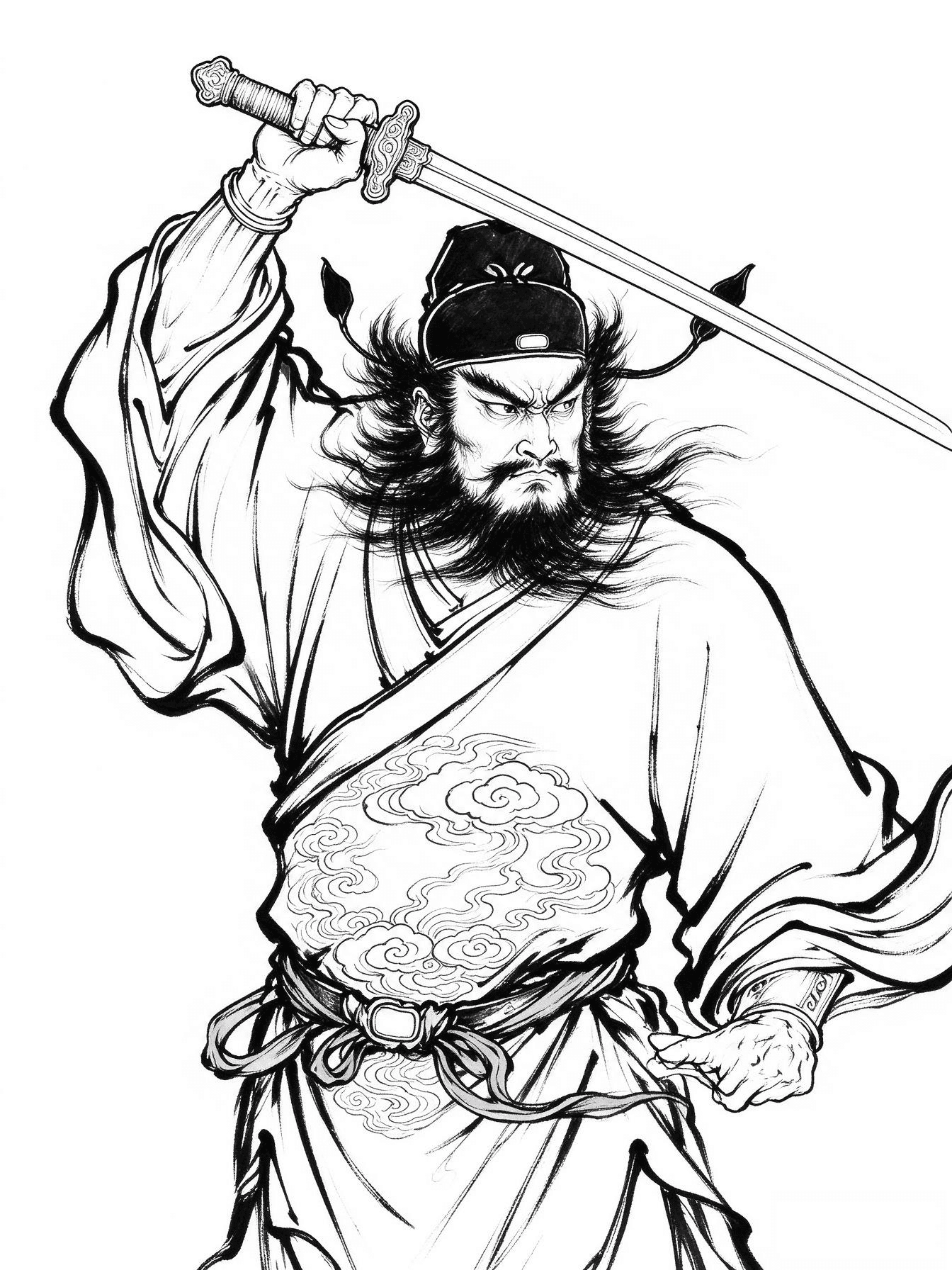
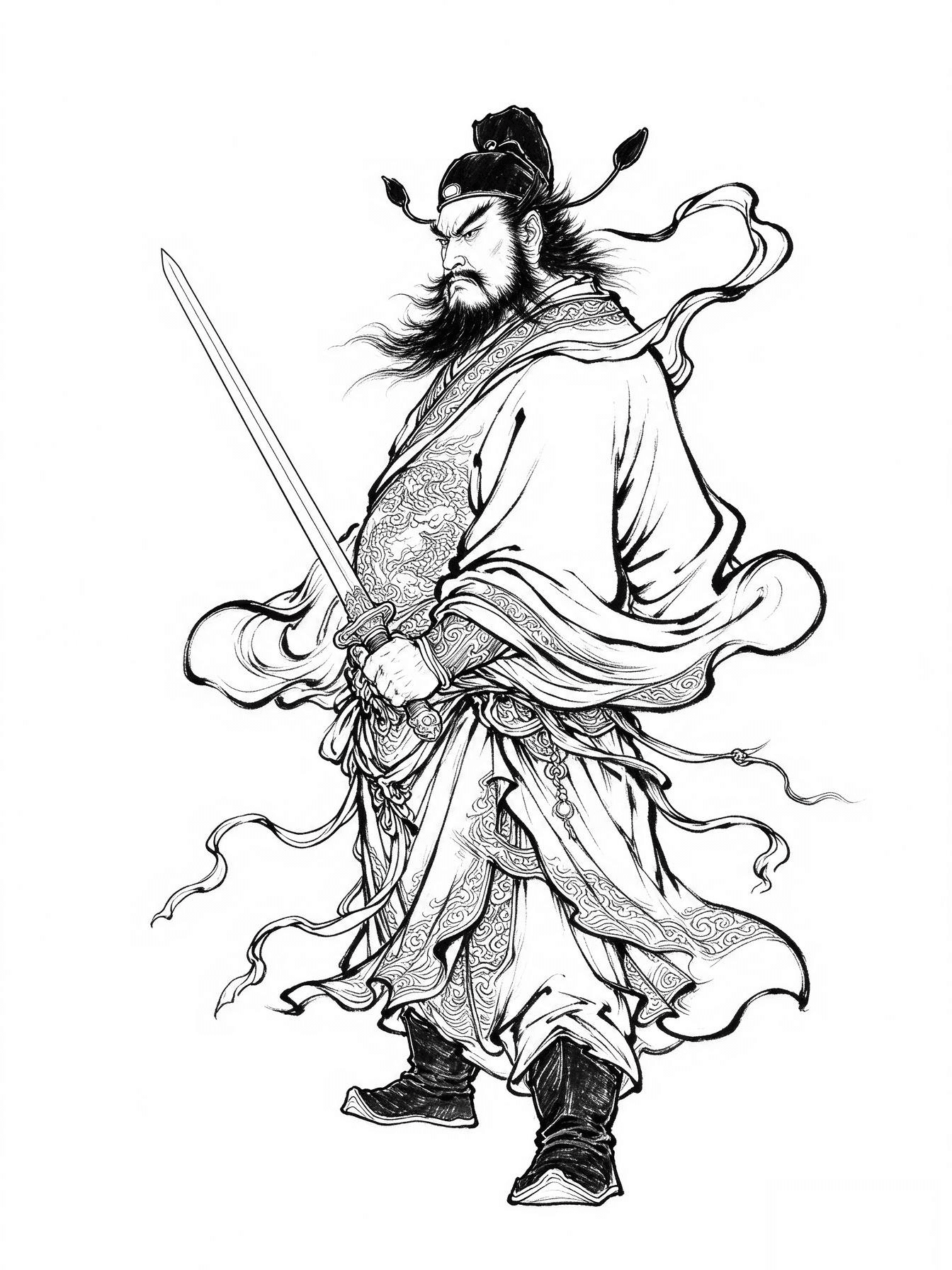
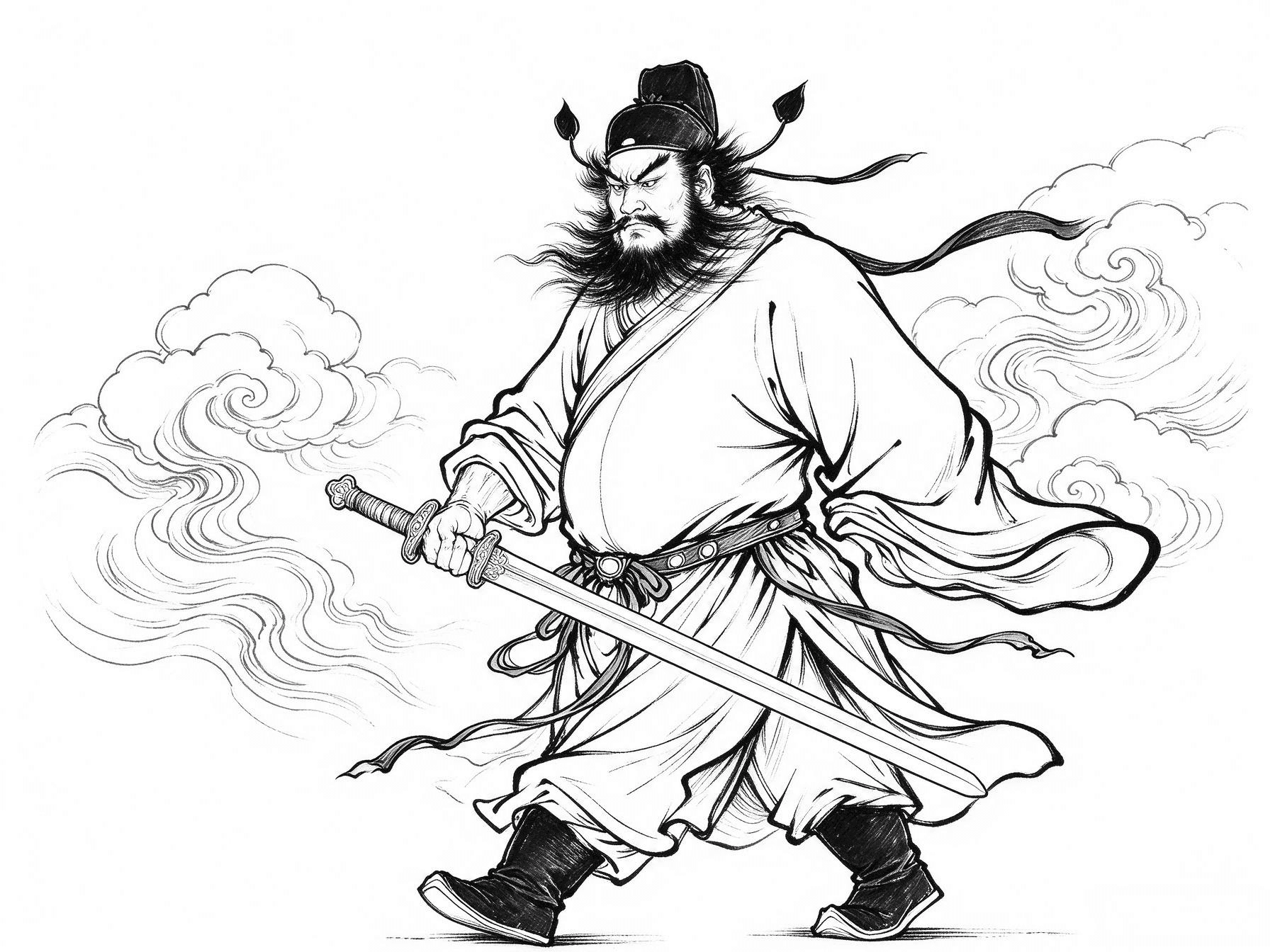
Read storyZhong Kui the Ghost Hunter
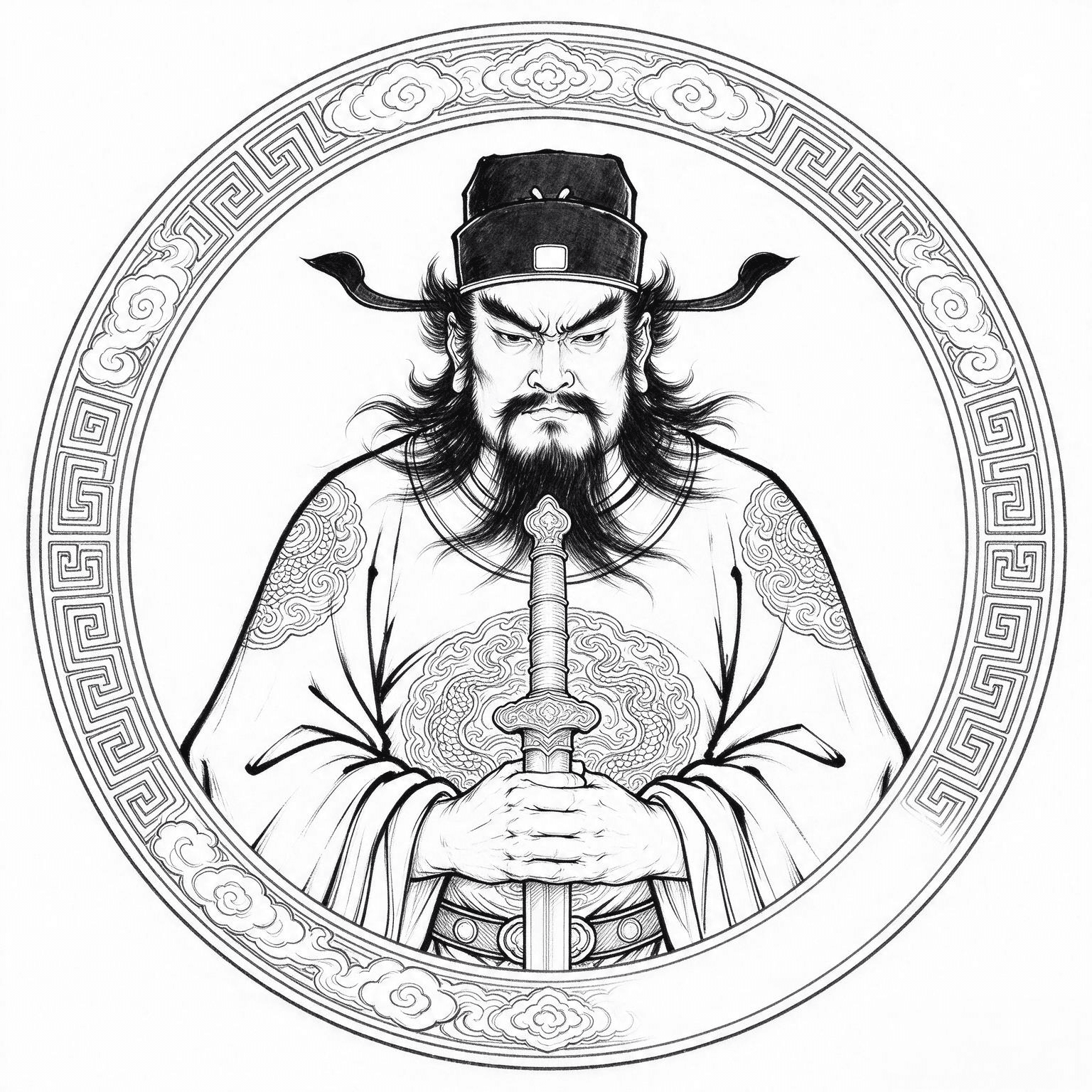
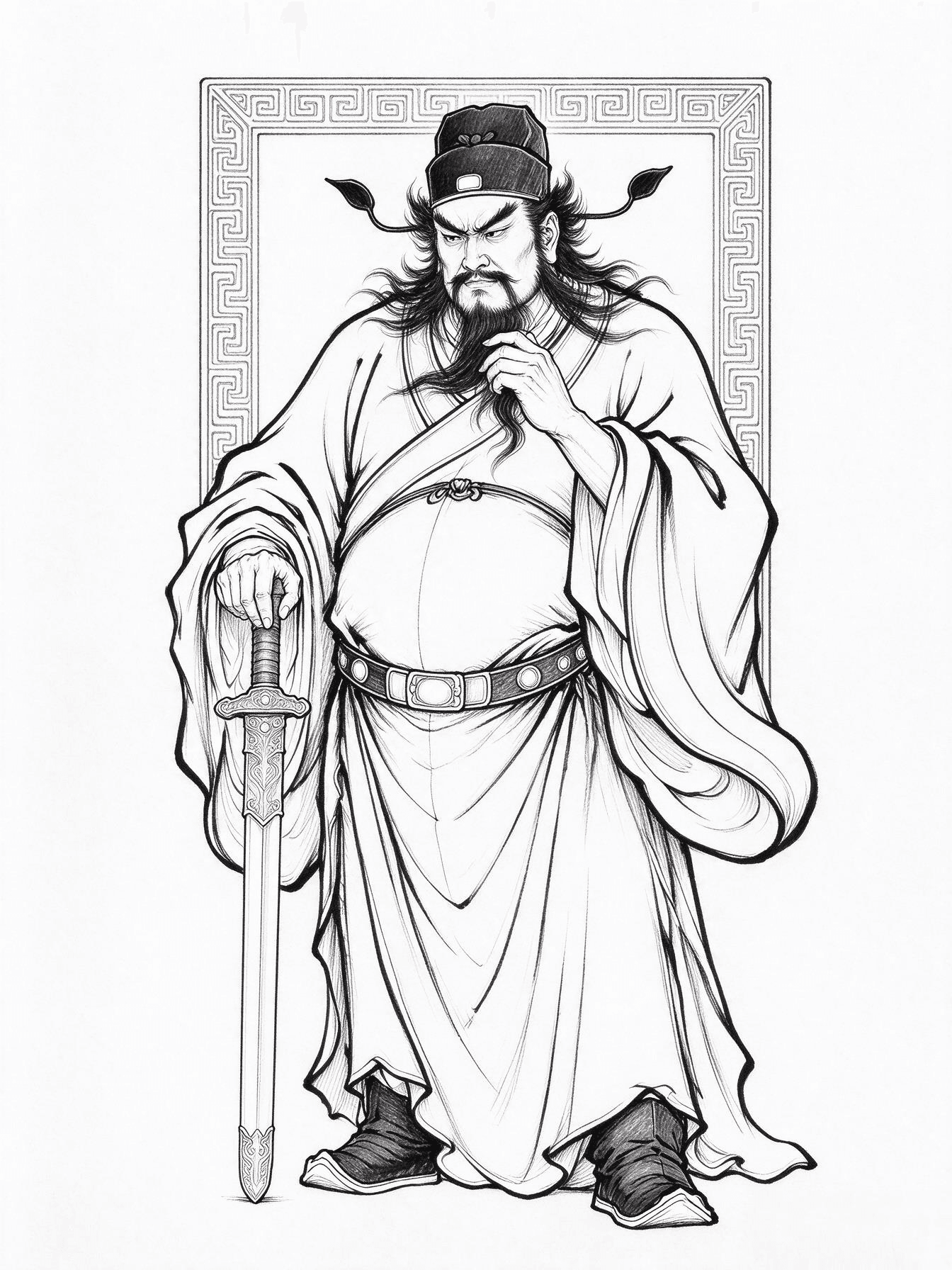
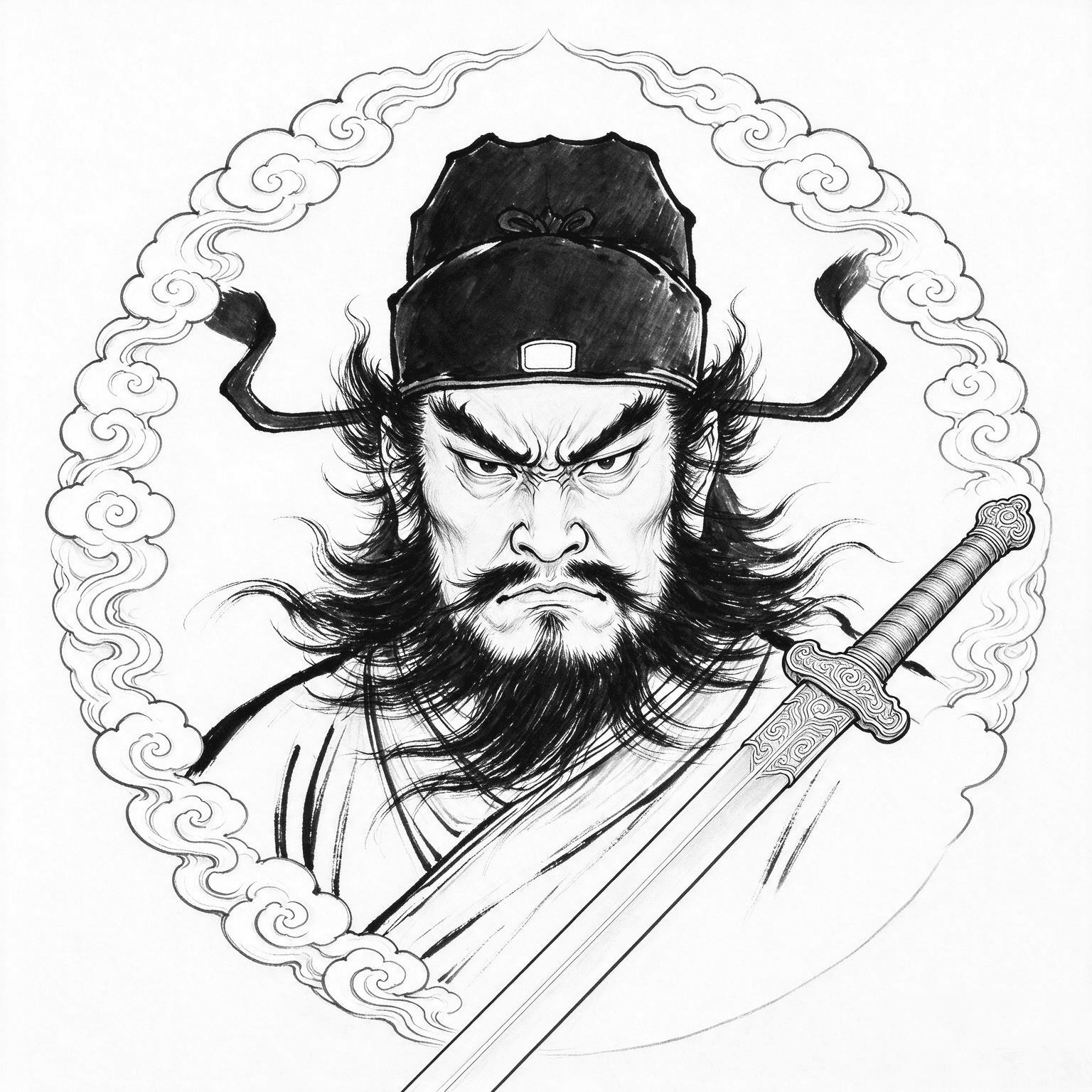
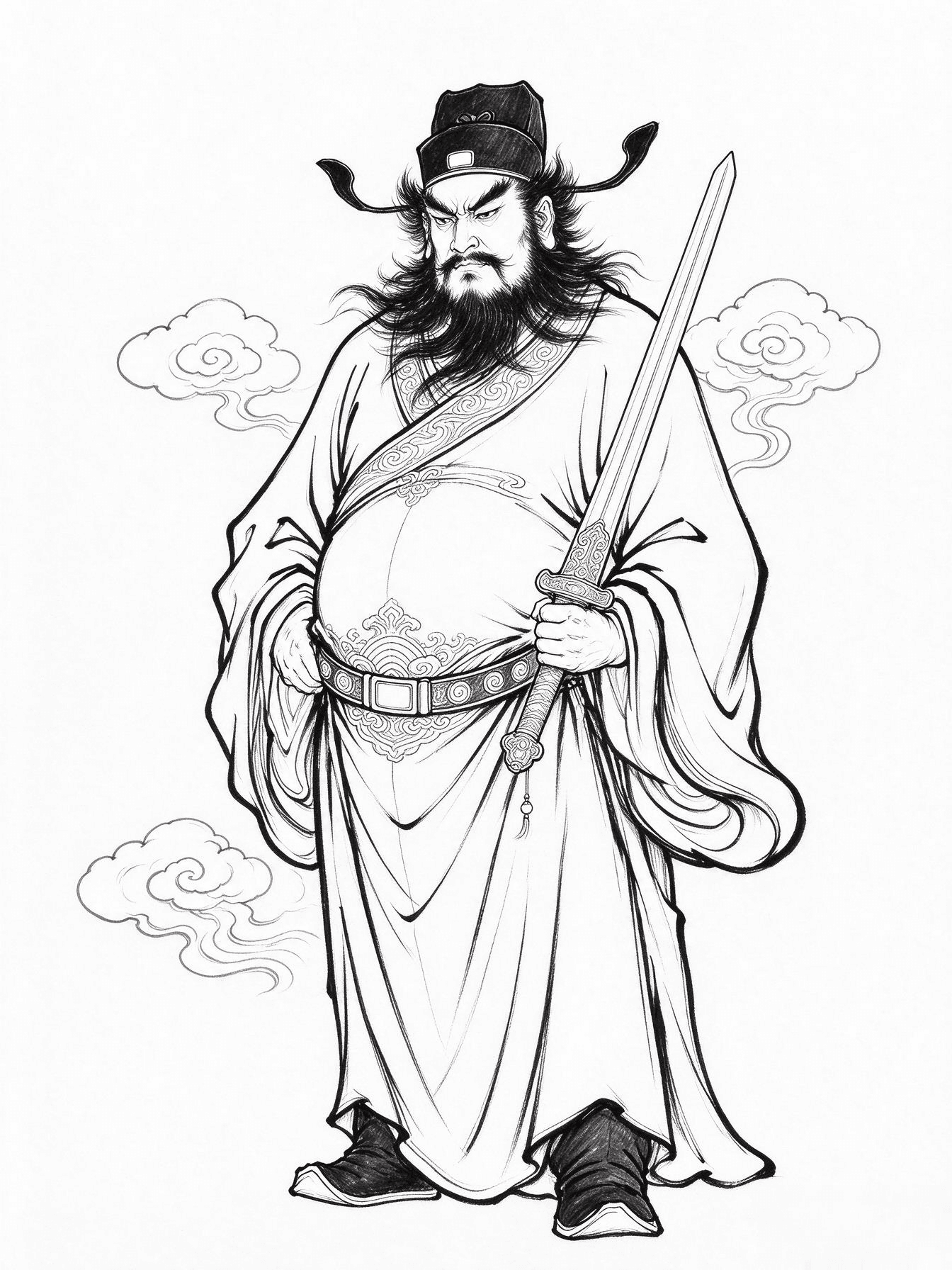
钟馗捉鬼Zhong Kui is the most deeply rooted exorcist god in Chinese folk belief. A brilliant scholar of the early Tang, he won first place in the imperial examination but was stripped of the honor for his ugly face, and in fury dashed his head against a pillar and died. Later, Emperor Xuanzong fell ill and dreamed of a little ghost causing mischief until a great ghost seized and devoured it, declaring himself "Zhong Kui, scholar of Zhongnan Mountain," sworn to destroy all evil spirits. The emperor awoke cured, ordered the painter Wu Daozi to portray him, and named him "Saint Lord Who Bestows Fortune and Guards the Home." Since then his image has been pasted on doorways as a guardian against evil, especially at the lunar new year.
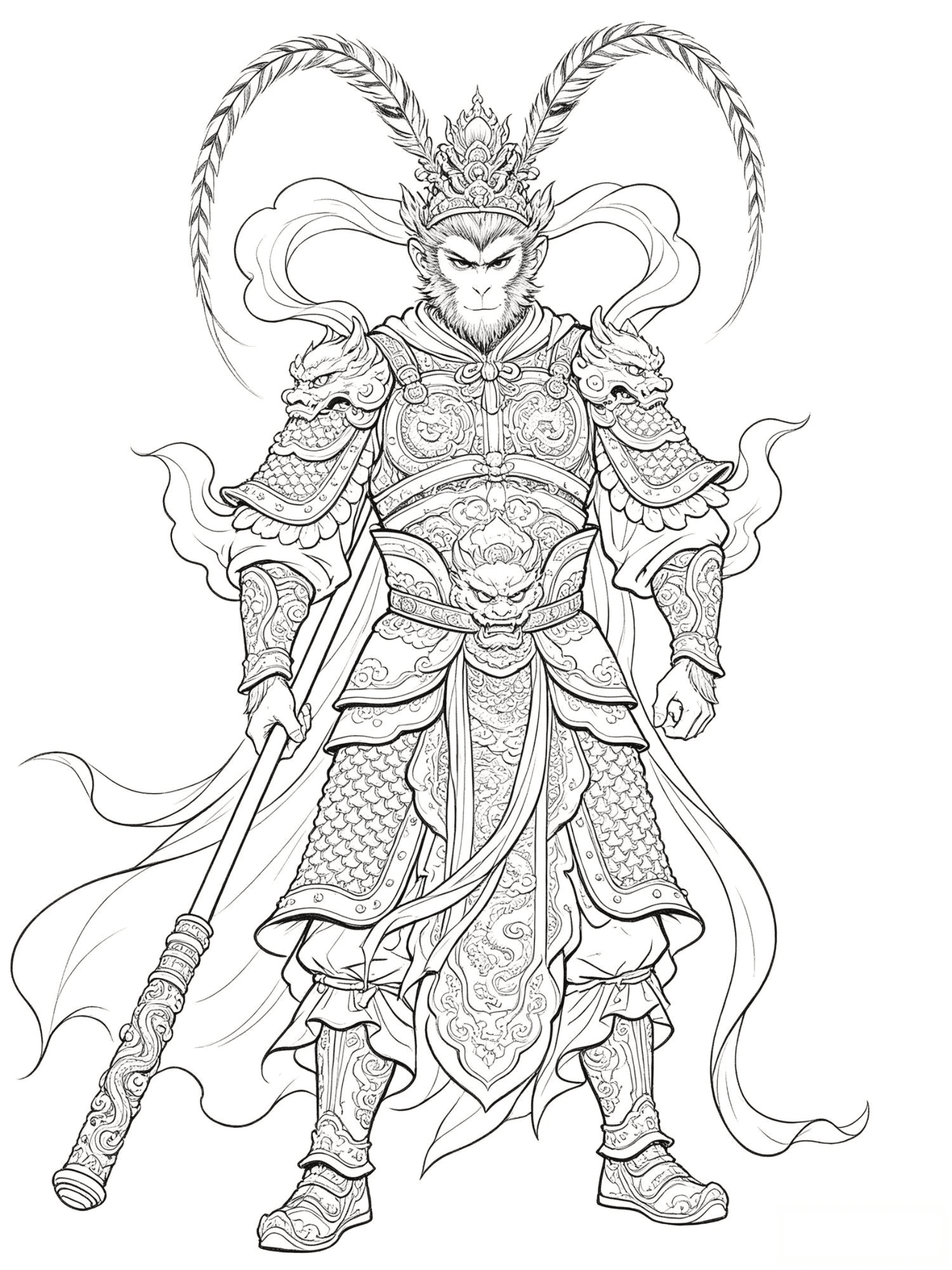
Read storyJourney to the West
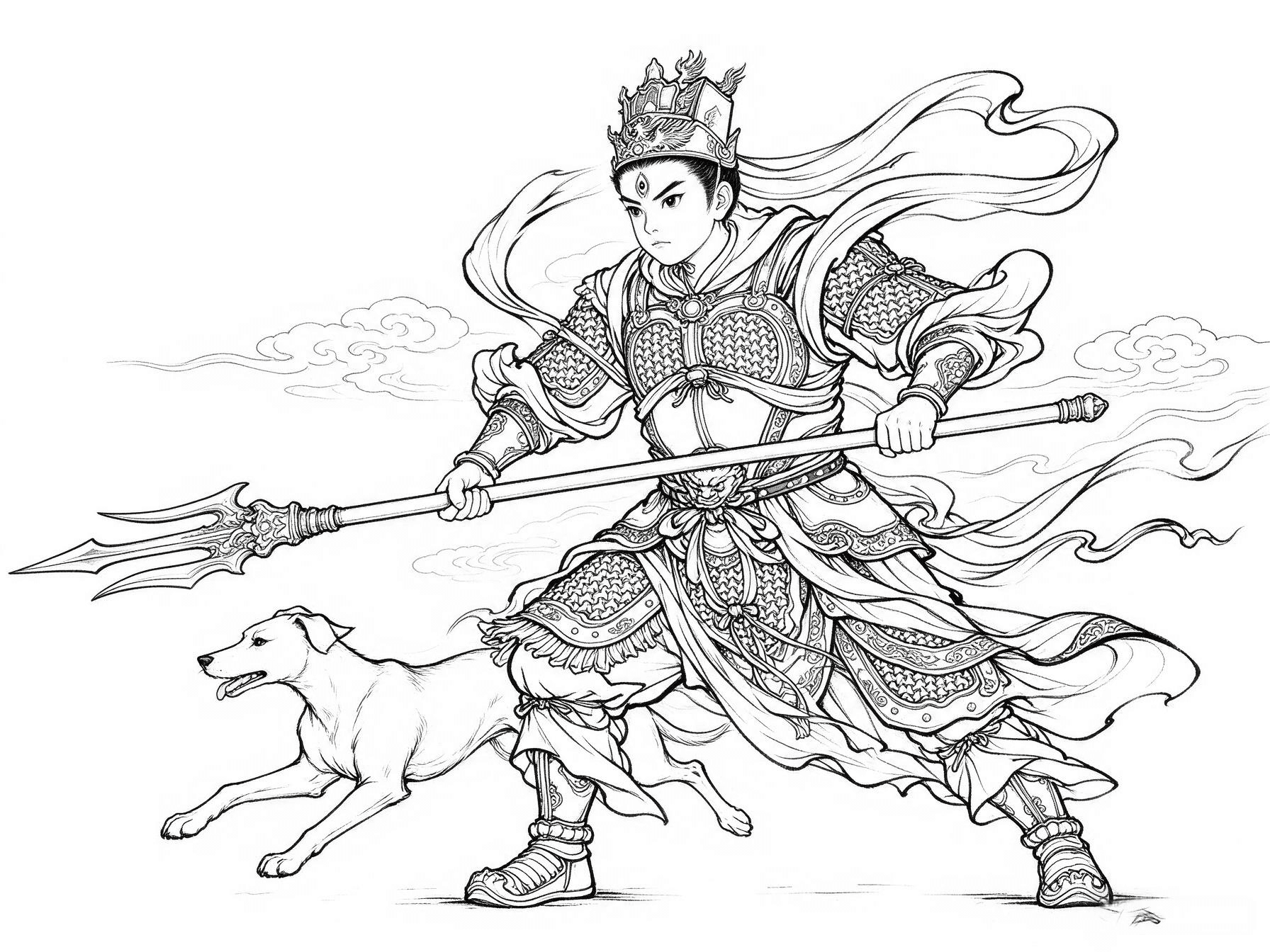
西游记What Is Journey to the West? Journey to the West (西游记) is one of the Four Great Classical Novels of Chinese literature, written in the 16th century during the Ming Dynasty. But don't let the "classical" label fool you — this is not a dusty, boring book. It is a wild, funny, action-packed adventure story filled with magic, monsters, and unforgettable characters. Think of it as China's answer to The Lord of the Rings meets Dragon Ball — except it was written over 400 years ago. The story follows a Buddhist monk named Tang Sanzang (also known as Tripitaka) who is sent on a sacred mission to travel from China to India to retrieve Buddhist scriptures. Sounds simple enough, right? Wrong. The journey is 108,000 miles long, and along the way, he faces 81 deadly trials — each one more dangerous and bizarre than the last. To protect him, the heavens assign him four powerful but deeply flawed disciples. Together, this unlikely team of misfits must learn to work together, overcome their own demons, and survive a journey that will test their faith, their strength, and their friendship. The Characters You'll Never Forget Sun Wukong — The Monkey King Sun Wukong is the heart and soul of the story. Born from a magical stone egg on the Mountain of Flowers and Fruit, he is a monkey with incredible powers: he can transform into 72 different forms, leap 54,000 kilometers in a single somersault, and wield a magic staff that can shrink to the size of a needle or grow to support the sky. But Wukong is also arrogant, impulsive, and absolutely hilarious. He once caused so much chaos in Heaven that the Jade Emperor had to beg the Buddha himself to stop him. The Buddha trapped him under a mountain for 500 years as punishment. When Tang Sanzang finally frees him, Wukong becomes the monk's most powerful protector — but also his biggest headache. He never stops arguing, never stops showing off, and never stops being utterly lovable. Zhu Bajie — The Pig Zhu Bajie, or "Pigsy," is a former heavenly marshal who was kicked out of Heaven for getting drunk and harassing the moon goddess. Reborn as a pig-man, he is lazy, gluttonous, and always thinking about food and women. He complains constantly, tries to quit the journey at least a dozen times, and is usually the first to suggest giving up. And yet, despite all his flaws, Bajie is a capable fighter and a source of endless comic relief. He represents the part of all of us that wants to take the easy way out — and his slow, painful transformation into a loyal companion is one of the story's most touching arcs. Sha Wujing — The Sand Monk Sha Wujing, or "Sandy," is the quiet one. A former heavenly general who was exiled for accidentally breaking a precious vase, he spent centuries as a man-eating demon in a river before joining the team. Stoic, dependable, and fiercely loyal, Sandy is the glue that holds the group together. He doesn't say much, but when things get tough, he's always there. Tang Sanzang — The Monk Tang Sanzang is the team's leader, but he's also the most vulnerable. He is kind, gentle, and deeply devoted to his faith — but he's also naive, easily frightened, and completely helpless in a fight. He constantly needs rescuing, and his tendency to trust the wrong people (especially beautiful women who turn out to be demons) drives his disciples crazy. Yet Sanzang's unwavering compassion is what ultimately holds the team together. He sees the good in everyone, even when no one else can. And in a story full of monsters and violence, his gentle spirit is the most powerful force of all. The White Dragon Horse Even the horse is a character. The White Dragon Horse is actually a dragon prince who was sentenced to death for destroying a pearl, then saved by Guanyin and transformed into a horse to serve as Sanzang's mount. He rarely speaks, but when he does, it's always important. The 81 Trials: Why They Matter The 81 trials the team faces are not just random obstacles. Each one represents a different challenge on the path to enlightenment: Some are physical: fighting demons, crossing dangerous rivers, surviving extreme weather. Some are mental: resisting temptation, overcoming fear, dealing with betrayal. Some are spiritual: learning humility, patience, and the true meaning of compassion. The most famous trials have become legendary in their own right. There's the Bone Demon (白骨精), a shape-shifting demon who tries to kidnap Sanzang by pretending to be a helpless village girl. There's the Bull Demon King (牛魔王), a powerful demon who becomes Wukong's greatest rival. There's the Spider Demon (蜘蛛精), the Scorpion Demon (蝎子精), and dozens more. Each trial teaches the team something new, and each one brings them closer together — even as they constantly bicker and fight. Why Journey to the West Still Matters Today Journey to the West is more than just a story. It is a cultural touchstone that has influenced countless works of art, literature, film, and video games across Asia and beyond. In Japan, it inspired Dragon Ball, one of the most popular anime and manga series in history. In China, it has been adapted into dozens of TV shows and movies, including the beloved 1986 TV series that is still watched by millions today. In the West, it has inspired everything from The Forbidden Kingdom (2008) to the blockbuster video game Black Myth: Wukong (2024), which introduced a whole new generation to the Monkey King. At its heart, Journey to the West is a story about flawed people trying to become better versions of themselves. It's about friendship, loyalty, and the belief that even the most unlikely team can accomplish something extraordinary. It's about laughing at your mistakes, learning from your failures, and never giving up — even when the journey seems impossible. And it's about monkeys. Lots and lots of monkeys. Ready to Color the Legend? Every character in Journey to the West — Sun Wukong, Zhu Bajie, Sha Wujing, Tang Sanzang, and the White Dragon Horse — is waiting for you to bring them to life with color. Explore our coloring pages, choose your favorite hero, and start your own journey today.
Read storyThe Creation of the Nine Worlds
九界创世In the beginning, before sea and shore, before earth and sky, there was only Ginnungagap — the great, yawning void. To its north lay Niflheim, a realm of ice, frost, and freezing mist; to its south blazed Muspelheim, the land of fire and searing heat. For ages the two extremes stood apart, until rivers of venomous ice from Niflheim crept southward into the void and met the warm air of Muspelheim. Where fire kissed frost, the ice began to melt, and from those first droplets life stirred. From the melting ice rose Ymir, the first of the frost giants, a vast and terrible being. Alongside him, a cosmic cow named Audhumla emerged from the thaw, and from her udders flowed four rivers of milk that fed the giant. As Ymir slept, he sweated, and from the sweat of his body the first giants were born. Meanwhile Audhumla licked the salty ice for nourishment, and over three days her tongue uncovered a man — Buri, the first of the gods. Buri's descendants gave rise to Odin and his brothers Vili and Vé. The three brothers saw that Ymir's cruel offspring were multiplying and resolved to act. They attacked the sleeping giant and slew him, and from his colossal body they fashioned the world itself. His blood became the oceans and rivers, drowning the frost giants in a great flood. His flesh became the earth, his bones the mountains, his teeth the rocks and stones. His hair became the trees and forests, his skull the dome of the sky, and his brain the drifting clouds. The brothers set the sky above the earth and placed four dwarves — North, South, East, and West — at its corners to hold it aloft. Around the new-made land they raised a protective wall from Ymir's eyebrows, and within it they called the realm Midgard, the home of humankind. From sparks and embers gathered from Muspelheim they forged the sun, moon, and stars, and set them in their courses across the sky. At last, walking along the seashore, the gods found two logs of driftwood. They breathed life and soul into them, gave them motion, sense, and speech, and clothed them. The first was named Ask, the ash tree; the second Embla, the elm. From these two, all human beings are descended. Thus the Nine Worlds were born, hung upon the branches of the great ash Yggdrasil, and the age of gods, giants, and mortals began.
Read storyYggdrasil, the World Tree
世界之树尤克特拉希尔At the center of all things stands Yggdrasil, the mighty ash tree whose branches reach across the heavens and whose three great roots plunge into the deepest wells of the cosmos. It is the axis of the Nine Worlds, the living pillar that holds creation together, and every realm hangs upon its boughs. High among its branches sits Asgard, home of the Aesir gods, while Vanaheim, land of the Vanir, and Alfheim, realm of the light elves, rest among the upper boughs. Midgard, the world of humans, lies at the tree's heart, ringed by the encircling ocean. Below stretch the darker realms: Jotunheim, the rugged land of the giants; Svartalfheim, home of the dwarves who mine the roots for gold; Niflheim, the frozen world of mist and ice; and Muspelheim, the burning realm of fire. Beneath the first root bubbles Hvergelmir, the roaring spring from which all rivers flow. Beneath the second lies Mimir's well, the well of wisdom, where Odin once sacrificed an eye for a single drink. Beneath the third is the Well of Urd, where the three Norns — Urd, Verdandi, and Skuld — weave the fates of gods and men alike. But the great tree does not stand untroubled. A dragon called Nidhogg gnaws endlessly at its deepest root, and stags browse upon its leaves, while a squirrel named Ratatosk scurries up and down the trunk carrying insults between the eagle perched in its crown and the serpent below. Though Yggdrasil is eternal, it is forever threatened, and its slow suffering mirrors the fate of the world it upholds. It is the great ash, the steed of Odin, the tree of life and death and destiny.
Read storyInvestiture of the Gods
封神演义"Investiture of the Gods" is a Ming-dynasty novel that recounts a vast war spanning the realms of humans, gods, and demons at the end of the Shang dynasty. The tyrant King Zhou, beguiled by the fox spirit Daji, persecutes the loyal and loses the hearts of his people, while the Zhou rebels, guided by the sage Jiang Ziya, rise to overthrow him. This is more than a mortal struggle for a throne: two rival schools of immortals take opposite sides, unleashing magic weapons, wondrous beasts, and divine powers upon the battlefield. When the war ends, Jiang Ziya ascends the Investiture Platform to read the list that confers godhood on three hundred and sixty-five fallen spirits, loyal and traitor alike. Bound together by the thread of "Heaven's mandate," the novel weaves a magnificent tapestry of Chinese myth.
Read storyThe Aesir–Vanir War
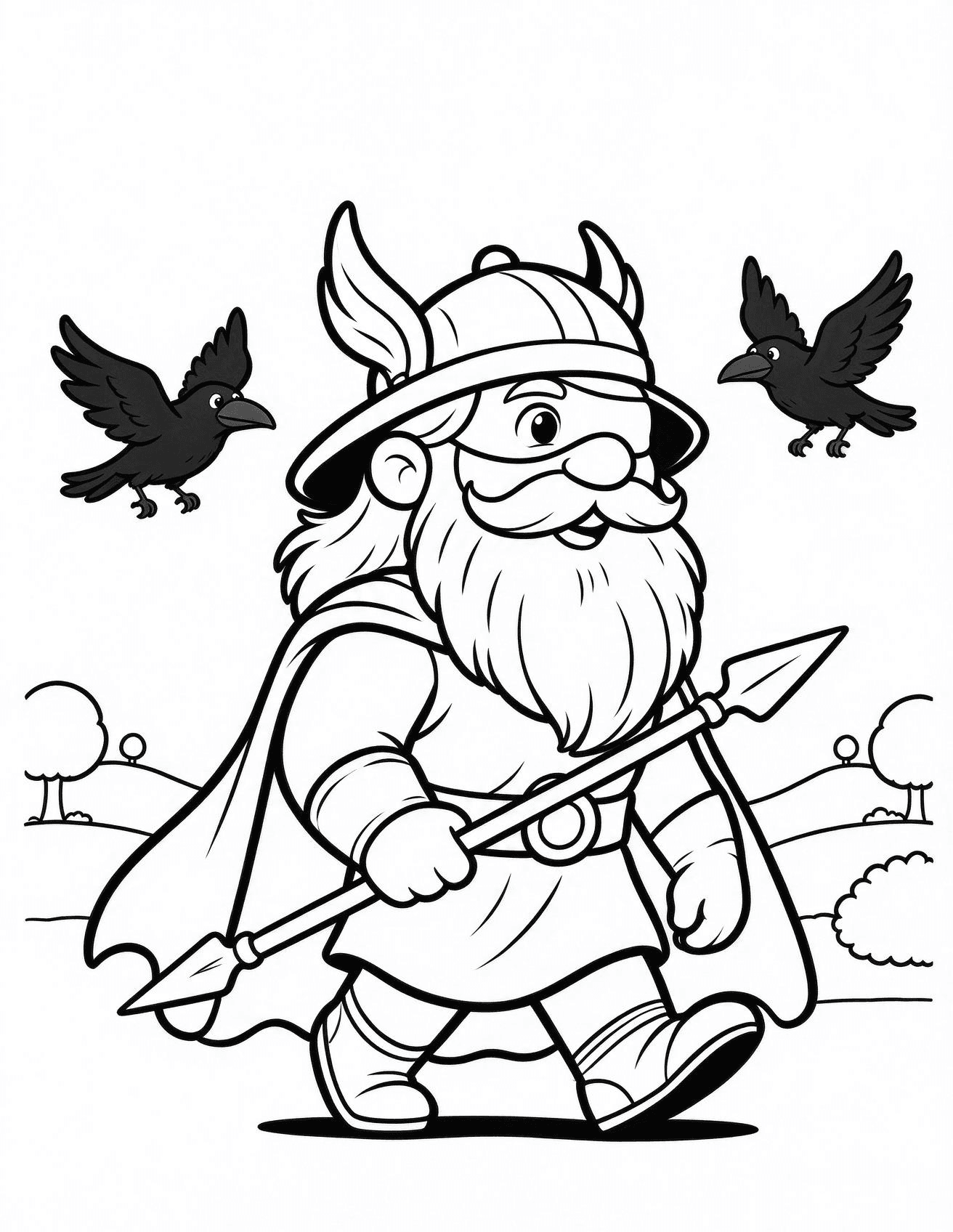
阿萨与华纳之战Long before the peace of Asgard, the gods were divided into two rival families: the Aesir, gods of war, kingship, and order, led by Odin; and the Vanir, gods of fertility, nature, and abundance, whose best-known members are Njord, Freyr, and Freya. The war between them was the first and greatest conflict of the divine age. It began when the Vanir sent the sorceress Gullveig to the halls of the Aesir. Three times the Aesir tried to burn her, and three times she rose from the flames, for her magic was stronger than their fire. Enraged by this treatment, the Vanir demanded satisfaction, and when the Aesir refused, the two houses took up arms. Odin hurled his spear Gungnir over the host of the Vanir to dedicate the battle, and the war raged long and indecisively. The Aesir triumphed through strength of arms, but the Vanir through wisdom and spells held their own, until both sides grew weary of endless slaughter. At last they agreed to a truce and sealed it in the oldest of ways: by exchanging hostages. The Aesir sent the wise Mimir and the towering Honir to live among the Vanir, while the Vanir sent Njord, the god of the sea and wealth, along with his son Freyr and daughter Freya, to dwell in Asgard. To bind the peace forever, all the gods spat into a great vat, and from their mingled spittle they created Kvasir, the wisest of all beings. The war's true lesson was that neither raw force nor cunning alone could rule the world — only their union could. From that day, the Aesir and Vanir stood as one family, and Freya, Freyr, and Njord took their places among the great gods of Asgard, bringing with them the magic of the Vanir that would shape the age to come.
Read storyMythical Creatures
神话瑞兽The auspicious beasts of Chinese mythology are embodiments of blessing, fortune, and protection. Some ride the clouds and command the wind and rain; some wear coats of scales and guard the home against evil — all carrying the culture's deep longing for good fortune and safety. The dragon, phoenix, qilin, pixiu, and Nian beast each possess unique powers and meanings, and with their magnificent forms and intricate patterns they form an inexhaustible treasury of motifs for decorative art and coloring.
Read storyThe Theft of Thor's Hammer
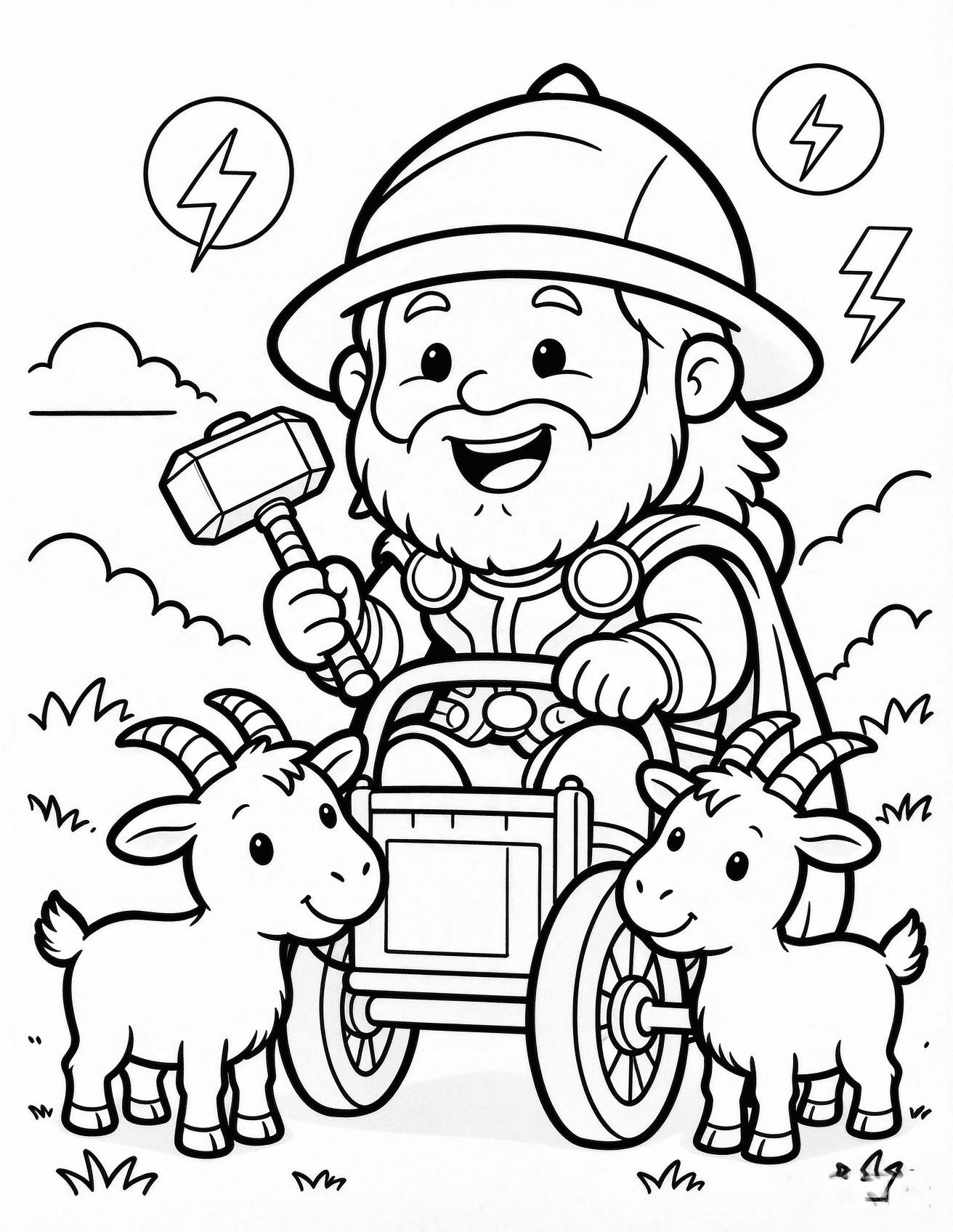
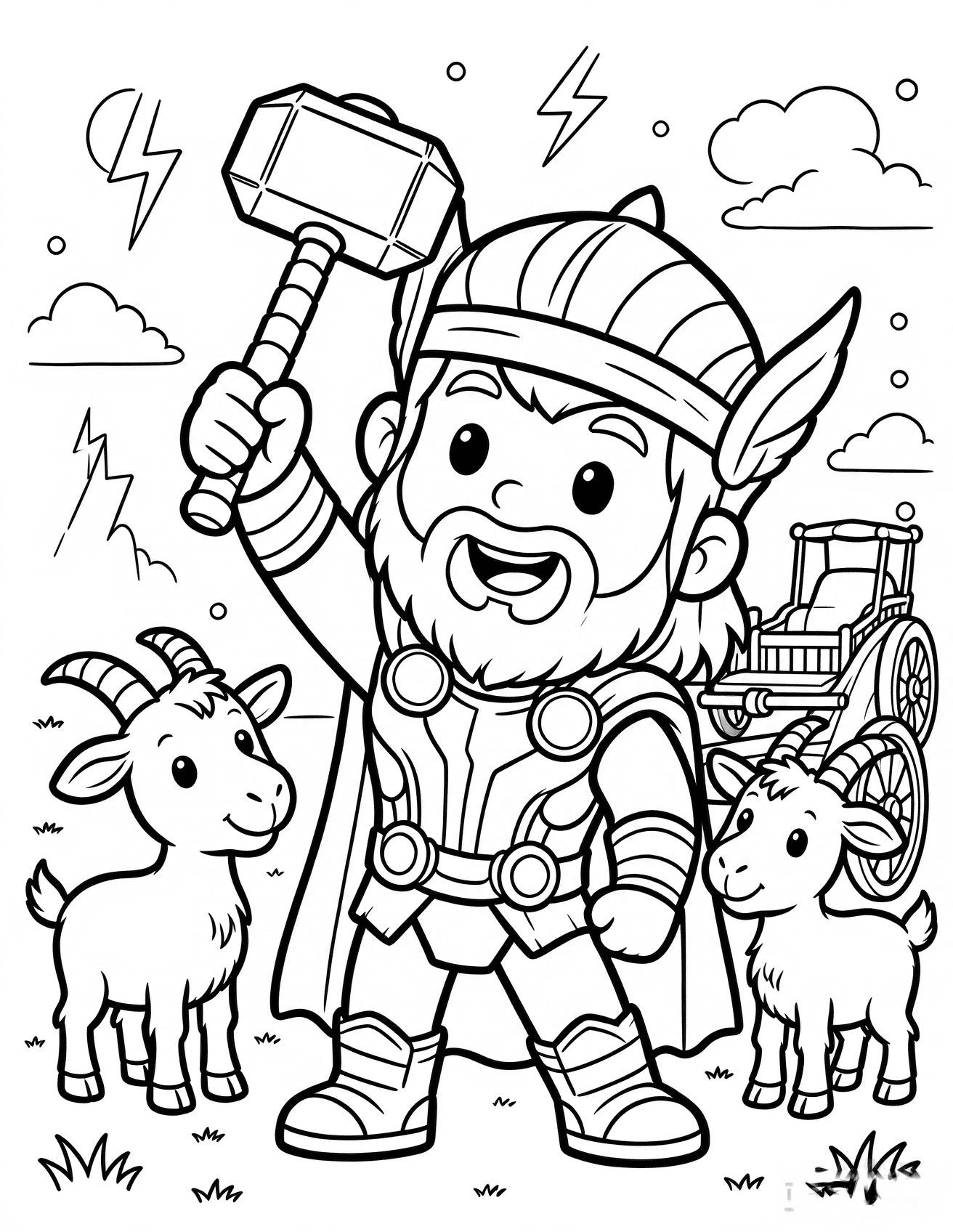
索尔的锤子失窃One morning the thunder god Thor awoke to find his greatest treasure gone: Mjolnir, the mighty hammer that guarded Asgard from the giants, had been stolen from beneath his very head. In a fury he turned to Loki, the trickster, who borrowed Freya's cloak of falcon feathers and flew to Jotunheim to discover the thief. There he found the giant king Thrym, who admitted the deed and demanded a single price for the hammer's return — the goddess Freya as his bride. When Loki brought the news back to Asgard, the gods gathered in dismay, for no one could face the giants without Mjolnir. Freya herself refused the marriage in anger, and it seemed the hammer would be lost forever. It was Heimdall, the watchman of the gods, who proposed the scheme: Thor himself would dress as the bride, with Loki disguised as his handmaiden, and together they would travel to Thrym's hall and recover the hammer. Thor grumbled at the shame of wearing a bridal veil, but Loki persuaded him, and the two set out in Freya's place. At the wedding feast, Thor nearly betrayed himself, devouring an entire ox and eight salmon and drinking three barrels of mead, but Loki explained that the bride had fasted for eight days in longing for her wedding. When Thrym ordered Mjolnir brought forth to bless the marriage, Thor seized his hammer and struck down the giant and his entire hall. Thus the greatest treasure of the gods was won back by cunning, and Asgard was saved.
Read storyThe Binding of Fenrir
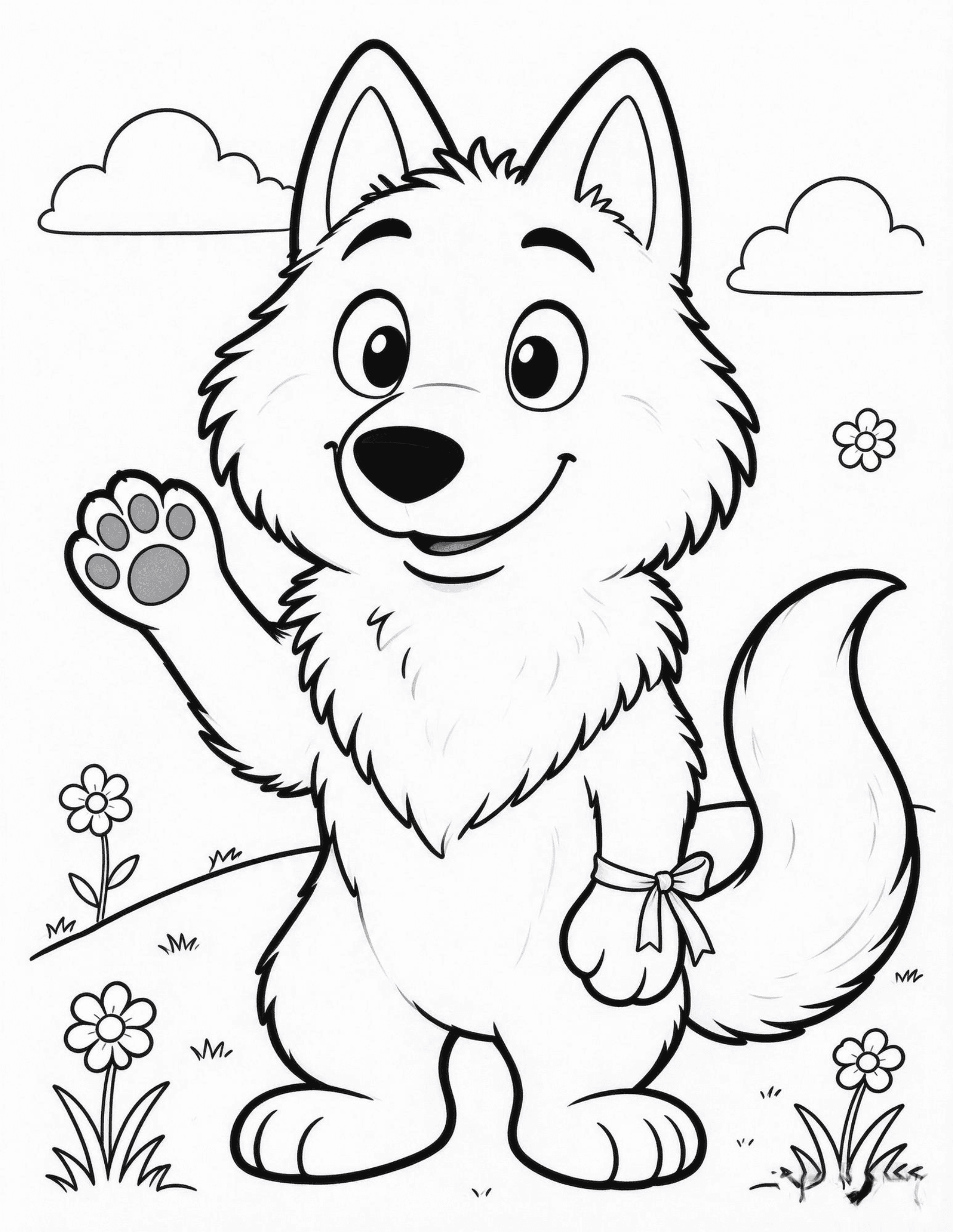
缚狼芬里尔Among the monstrous children of Loki and the giantess Angrboda, none was more feared than Fenrir, the great wolf. Raised in Asgard, the wolf grew at a terrifying pace, and soon only the god Tyr dared to feed him. The gods, foreseeing that Fenrir would one day bring ruin, resolved to bind him while he was still young. Twice they forged mighty chains, and twice they challenged the wolf to test his strength against them. Fenrir, confident in his power, allowed himself to be bound — and each time he snapped the fetters with a single flex of his limbs. Despairing, the gods turned to the dwarves, the master smiths of Svartalfheim, who wove a third fetter unlike any other. It was named Gleipnir, and it was made of six impossible things: the sound of a cat's footfall, the beard of a woman, the roots of a mountain, the sinews of a bear, the breath of a fish, and the spittle of a bird. Gleipnir was thin as a silken ribbon, yet stronger than any iron. Suspicious, Fenrir agreed to be bound only on one condition — that one of the gods place a hand in his jaws as a pledge of good faith. Only Tyr, the bravest of the gods, stepped forward and laid his right hand between the wolf's teeth. When Fenrir strained against Gleipnir, the ribbon held fast, and in his fury he bit off Tyr's hand. The gods then fastened the wolf to a great rock and wedged a sword into his jaws to keep them open. There Fenrir remains, bound until Ragnarök, when he will break free and devour Odin himself.
Read storyThe Death of Baldr
巴德尔之死Baldr the Beautiful, son of Odin and Frigg, was the most beloved of all the gods, radiant as the sun and gentle as light. Yet he began to suffer from terrible dreams foretelling his own death, and the gods grew afraid. Frigg, his mother, traveled through all the nine worlds and extracted an oath from every thing — fire and water, iron and stone, wood and metal, sickness and beast — that none would harm her son. All swore, and Baldr seemed invincible. The gods made a game of it, hurling weapons at him and laughing as they bounced harmlessly away. All, that is, except Loki, who burned with envy. Loki discovered that Frigg had overlooked one humble thing: the mistletoe, which she had thought too young to swear an oath. Loki fashioned a dart from the mistletoe and placed it in the hands of the blind god Hodr, Baldr's own brother, guiding his aim at the festive game. The dart struck true, and Baldr fell dead. Grief swept across the worlds. The gods sent Hermod to ride to Hel and beg for Baldr's return. Hel agreed to release him if all things, living and dead, would weep for him. All wept — except a single giantess named Thokk, who many believed was Loki in disguise, and who refused to shed a single tear. And so Baldr remained in the underworld, his death the first great grief that would lead the gods down the road to Ragnarök.
Read storyThe Children of Loki
洛基的子女Loki, the trickster, had three children with the giantess Angrboda, and each was destined to shape the fate of the gods: the wolf Fenrir, the serpent Jörmungandr, and Hel, the half-dead queen of the underworld. The gods, terrified by prophecy, resolved to deal with each. The serpent Jörmungandr they cast into the great ocean that encircles Midgard, and there it grew so vast that it came to wrap around the entire world, gripping its own tail in its jaws. Fenrir, the wolf, they bound with the unbreakable ribbon Gleipnir, though it cost the god Tyr his hand. Hel they cast into Niflheim, the frozen realm beneath the world, and gave her dominion over all who die of sickness and old age. Her hall is called Eljudnir, her plate is Hunger, her knife is Famine, and her bed is Sickbed. Half her body is that of a living woman, and half is that of a corpse, blue-black with decay. But the gods' fear did not end with their exile. The prophecy said that at Ragnarök, Jörmungandr would rise from the sea to poison the sky and meet Thor in battle; Fenrir would break his bonds and devour Odin; and Hel would unleash her dead legions upon the gods. Thus the children of Loki became the instruments of doom, the shadows cast by the gods' own dread, waiting at the edges of the world for the twilight that would consume it.
Read storyThe Mead of Poetry
诗之蜜酒At the end of the Aesir–Vanir war, the gods sealed their peace by spitting into a great vat, and from their mingled spittle they created Kvasir, the wisest of all beings, who could answer any question. Kvasir traveled the world sharing his wisdom, until two dwarves, Fjalar and Galar, murdered him and drained his blood into three vessels, mixing it with honey to brew a magical mead. Whoever drank this mead would become a poet or a scholar, gifted with eloquence beyond measure. The dwarves told the gods that Kvasir had choked on his own wisdom, but their crime did not go unpunished for long. They quarreled with and slew the giant Gilling, and when Gilling's son Suttung came seeking vengeance, they offered him the mead as blood-price. Suttung hid the mead in a mountain called Hnitbjorg and set his daughter Gunnlod to guard it. But Odin, ever hungry for wisdom, set out to steal it back. Disguised as a laborer named Bolverk, he worked for Suttung's brother Baugi, and as payment asked for a single sip of the mead. When Baugi could not deliver, he bored a hole through the mountain, and Odin transformed into a serpent and slithered inside. There he spent three nights with Gunnlod, drinking all three vessels dry. Turning into an eagle, he flew back toward Asgard, with Suttung in pursuit. As he neared the walls, the gods set out vessels, and Odin spat the mead into them — though a few drops fell to earth, and those became the mead of bad poets. Thus the mead of poetry came to the gods and to humankind.
Read storyThe Building of Asgard's Wall
阿斯加德城墙的建造After the war with the Vanir, the walls of Asgard lay in ruins, and the gods sought a builder to raise them anew. A stranger appeared, a giant in disguise, and offered to build a wall so strong it could never be breached, within a single winter, and all he asked in return was the goddess Freya as his wife, along with the sun and the moon. The gods were outraged, but Loki persuaded them to accept the offer with impossible conditions: the builder must finish by the first day of summer, working with no help but his horse. The giant agreed, and the gods watched in growing horror as his stallion Svadilfari hauled boulders by night, and the wall rose with terrifying speed. As summer approached, the work was nearly done, and the gods faced ruin. They turned on Loki, who had talked them into the bargain, and threatened his life unless he found a way to break the agreement. Loki transformed himself into a beautiful mare and lured the stallion away into the forest. Without Svadilfari, the builder could not finish in time, and in his rage he revealed himself as a giant, and the gods called upon Thor, who crushed his skull. Some months later Loki gave birth to a foal — the eight-legged horse Sleipnir, who became the finest steed in all the worlds and was given to Odin.
Read storyRagnarök
诸神的黄昏Ragnarök is the twilight of the gods, the doom foretold since the world's beginning. It begins with three winters of endless war and a great winter without summer, when all bonds of kin and honor will break. The wolf Skoll will swallow the sun and Hati the moon, plunging the world into darkness. The bonds that hold the great wolf Fenrir will snap, and he will run free with fire streaming from his jaws. The serpent Jörmungandr will rise from the sea, flooding the land with poison. The ship Naglfar, built from the fingernails of the dead, will sail from the east carrying the giants, while Loki, freed from his bonds, will lead the forces of chaos. Heimdall, the watchman, will raise his horn Gjallarhorn and sound a warning heard in every corner of the nine worlds. The gods will arm for battle, and Odin will ride to consult the severed head of Mimir. On the field of Vigrid, the final battle will rage: Odin will be devoured by Fenrir, and his son Vidar will avenge him; Thor and Jörmungandr will slay each other; Loki and Heimdall will fall together; and Freyr will die fighting the fire giant Surtr, who will then set the whole world ablaze. The earth will sink into the sea, and all will seem lost. But from the ashes, a new world will rise, green and fair, and a few surviving gods and two hidden humans will begin again. Ragnarök is both an ending and a beginning, the promise that after every twilight comes a new dawn.
Read storyHow it works
Three steps from myth to masterpiece
Pick a page
Browse the gallery and choose a myth you love — from the Monkey King to the moon's jade rabbit.
Download & print
Download as PNG or a print-ready A4 / Letter PDF, then print it at home.
Color it your way
Use the signature palette as inspiration — or invent your own colors for every legend.